Classroom

The first round of Common Core assessment results are in. What do they tell us, and what should librarians be asking? Marc Aronson weighs in.

What if we said it doesn’t matter what you are teaching—we want your students to examine and understand how thinkers and creators come together to argue, share, compete, build, and yield exponential leaps in thinking, creativity, and invention?

The very language of the Common Core State Standards calls for librarians’ key skills: research; equipping students to access, evaluate, and synthesize information; and strengthening literacy. Paige Jaeger, a coordinator of school library services in Saratoga Springs, NY argues that librarians can build a strong case for a seventh shift in the CCSS: research.
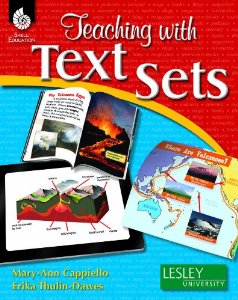
The authors of the Common Core State Standards don't spell out how text should be taught--that's been left up to teachers and curriculum developers. A new book offers a framework for developing a content-rich, standards-based curriculum.

The Common Core State Standards place strong emphasis on vocabulary, and librarians are in a prime position to actively support this shift. This month's "On Common Core" column shares how, including selecting read-alouds with robust language, helping students find engaging (and challenging) nonfiction books that match their interests, carefully choosing titles for reading lists, and initiating independent reading incentives.
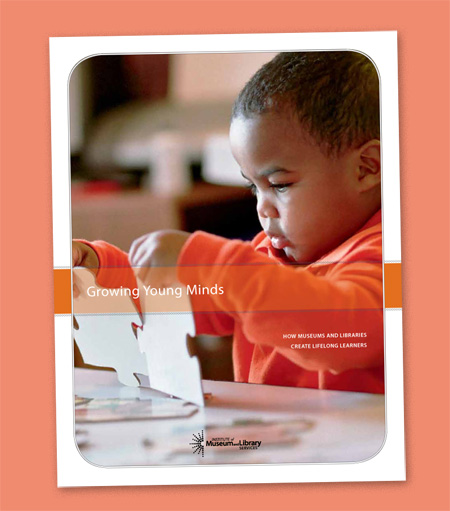
The Institute of Museum and Library Services and the Campaign for Grade-Level Reading today unveiled a new report on the role of museums and libraries in early learning, and issued a call to action for policymakers, schools, funders, and parents to include these institutions in comprehensive early learning strategies.

These audiobook versions of time-honored classics shine a spotlight on language, lyrical expression, and character development. Try pairing them with their film adaptations for excellent compare and contrast opportunities.

How can we use the summer to provide kids with more opportunities to grow confident as nonfiction readers? The authors offer suggestions and recommend a few reading lists to share with students.

What lies ahead for teachers and librarians just embarking on the Common Core journey? Marc Aronson shares his thoughts and insights.
370 articles
ALREADY A SUBSCRIBER? LOG IN
We are currently offering this content for free. Sign up now to activate your personal profile, where you can save articles for future viewing
ALREADY A SUBSCRIBER? LOG IN
Thank you for visiting.
We’ve noticed you are using a private browser. To continue, please log in or create an account.