Age Level
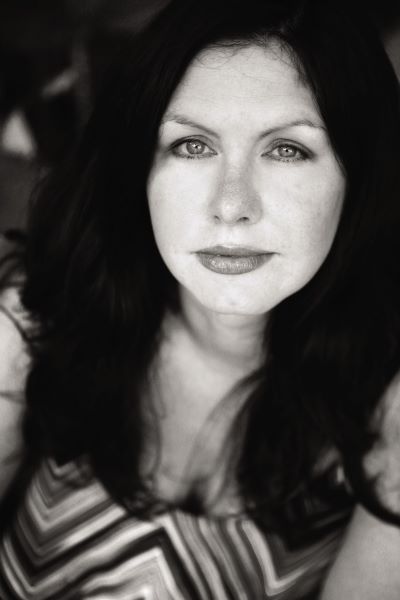
The author of Heroine on the harsh realities of her rural community and why she writes for young people.
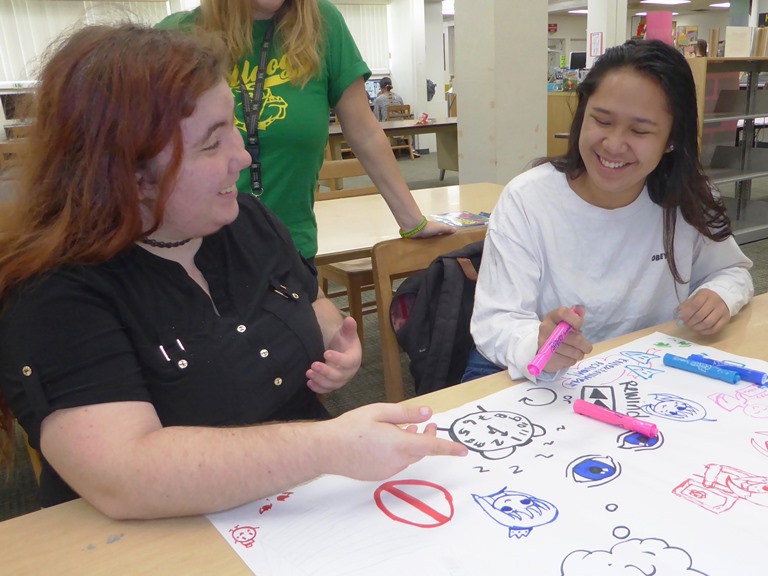
These exercises in visual communication and short story analysis can impact students' understanding of library instruction and information literacy.
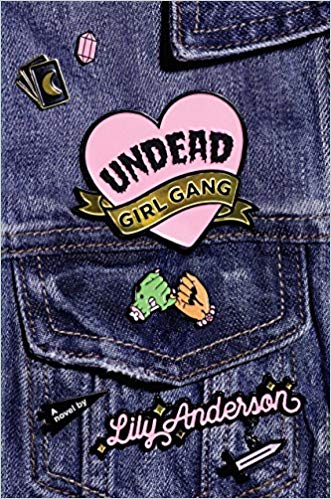
Horror, despite how it’s often categorized, is not a genre. It is instead a mood, applicable to any genre that elicits fear, disgust, surprise, or shock. For young readers with still-developing brains, horror can be especially appealing as they navigate their own emotional responses. Librarians must be familiar with the trends, and the kind of chills a reader may be seeking, all through the year.

School Library Journal (SLJ) has launched a new monthly column, all about graphic novels. “Stellar Panels” will be penned by Brigid Alverson, editor of “Good Comics for Kids.”
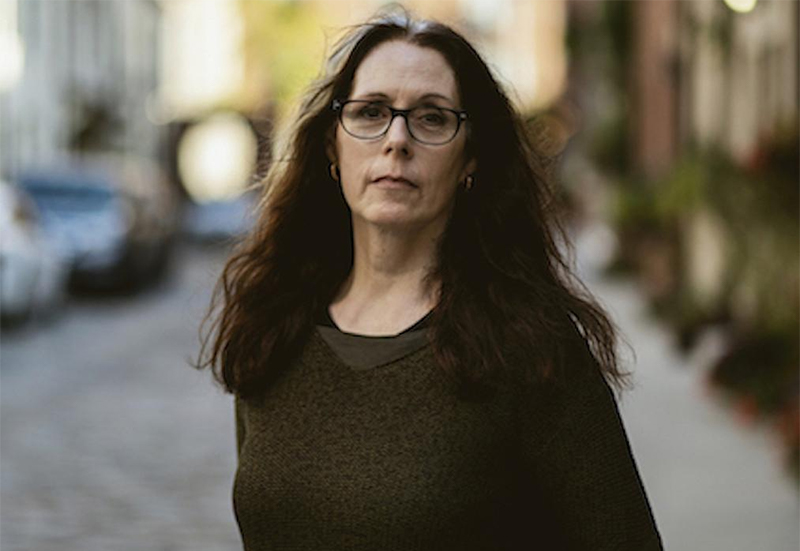
The author of Shout discusses family trauma, rape culture, and racism.
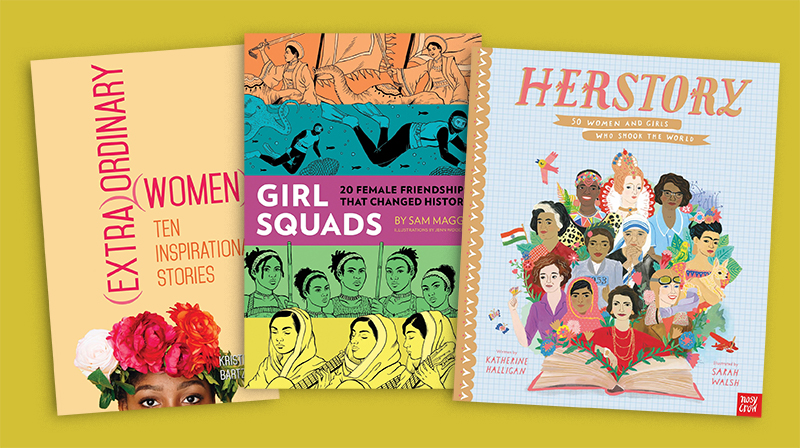
Rabble rousers and rebels rub shoulders with artists and adventurers in these eminently browsable collective biographies.
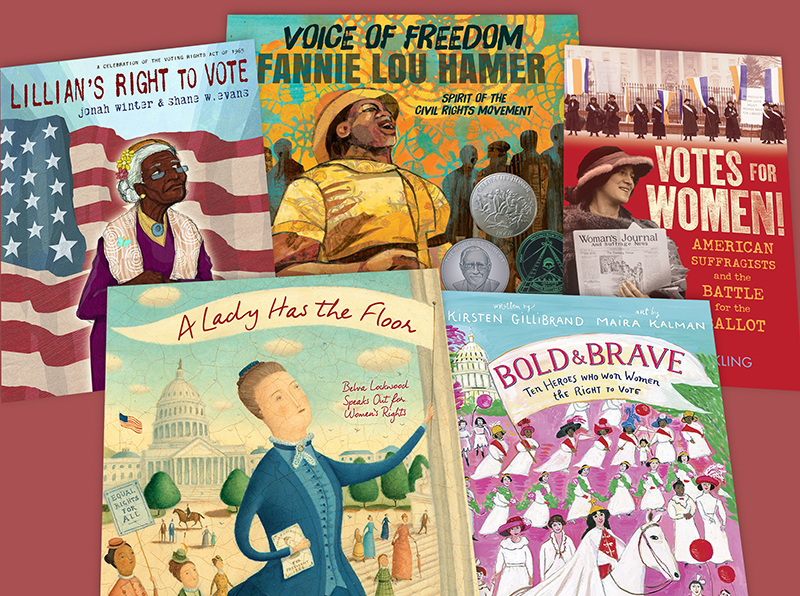
A look at women who courageously fought for the right to vote—their struggles, missteps, disagreements, and their successes—and those who were determined to exercise that right once it became law.
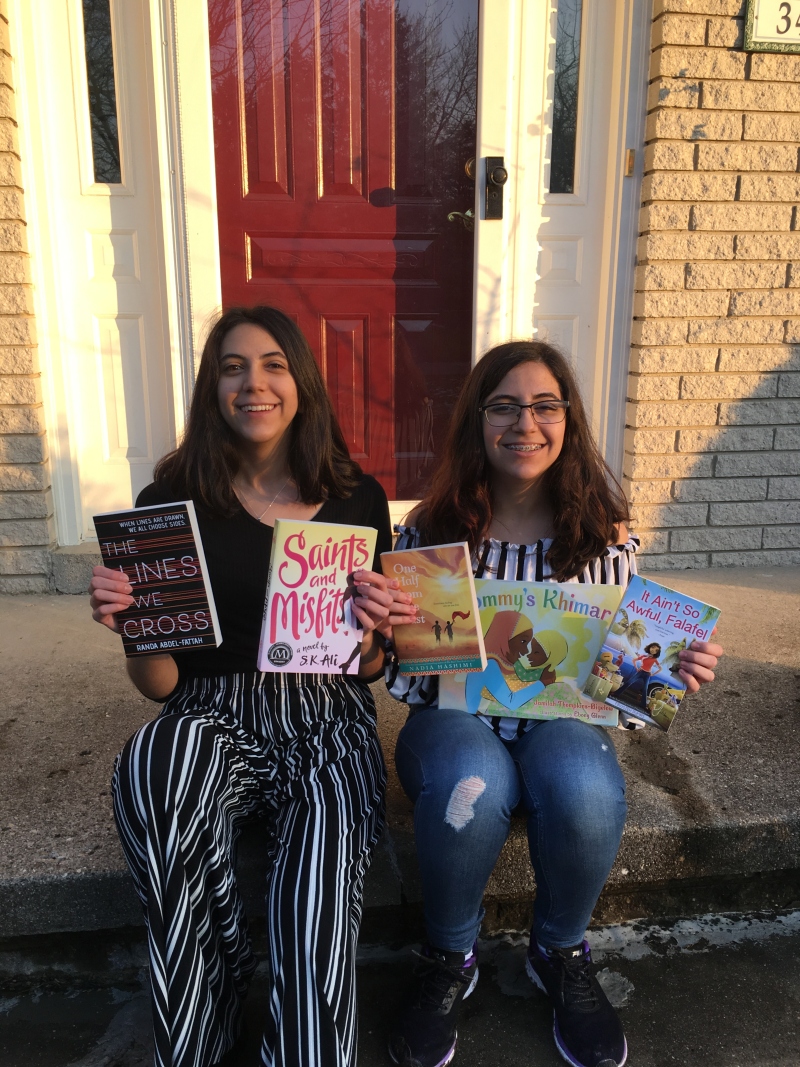
Teens Mena and Zena Nasiri started Girls of the Crescent to donate books with female Muslim main characters to local school districts, libraries, and mosques.
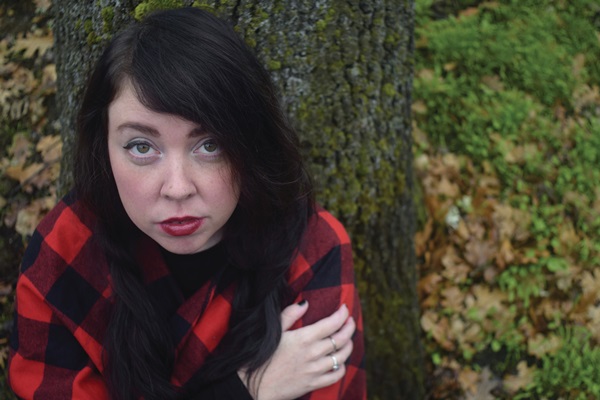
Tehlor Kay Mejia’s debut novel We Set the Dark on Fire is a fantasy based in contemporary issues: political turmoil, sexual identity, class inequality, immigration, even a border wall. She tells SLJ about world-building, revolution, and how rage inspired her first novel.
ALREADY A SUBSCRIBER? LOG IN
We are currently offering this content for free. Sign up now to activate your personal profile, where you can save articles for future viewing
ALREADY A SUBSCRIBER? LOG IN
Thank you for visiting.
We’ve noticed you are using a private browser. To continue, please log in or create an account.