Age Level
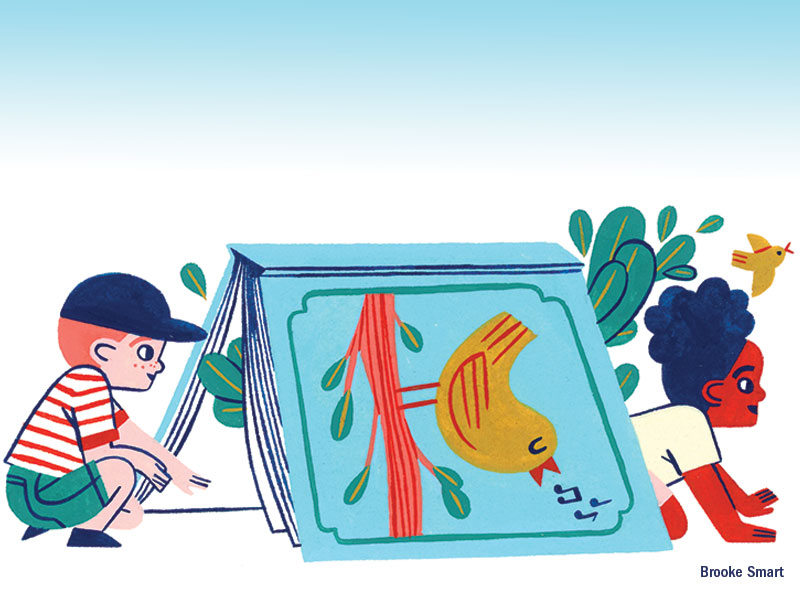
As many young children and caregivers take their first steps back into the outside world, library play can help young children remember how to engage with peers, while surrounded with materials that foster learning.
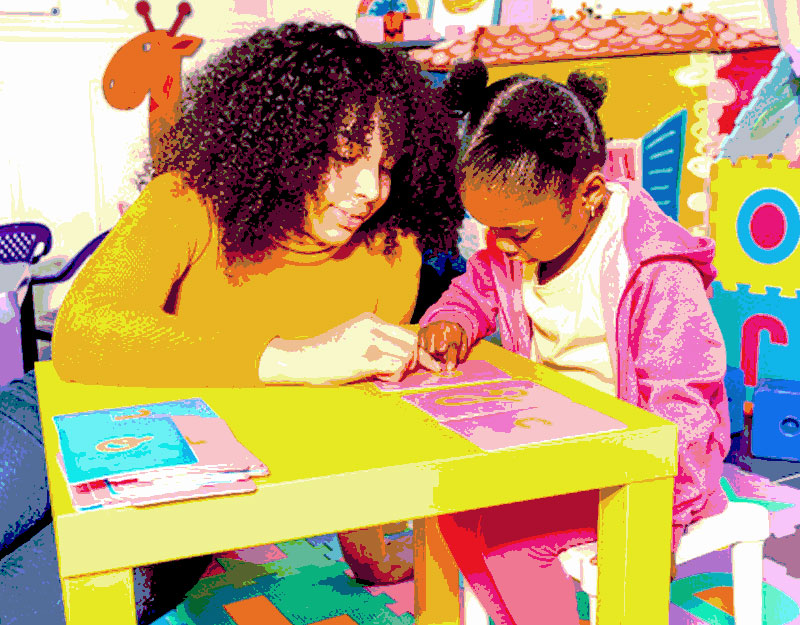
Public library staff can identify children with developmental delays and inform families of available resources.
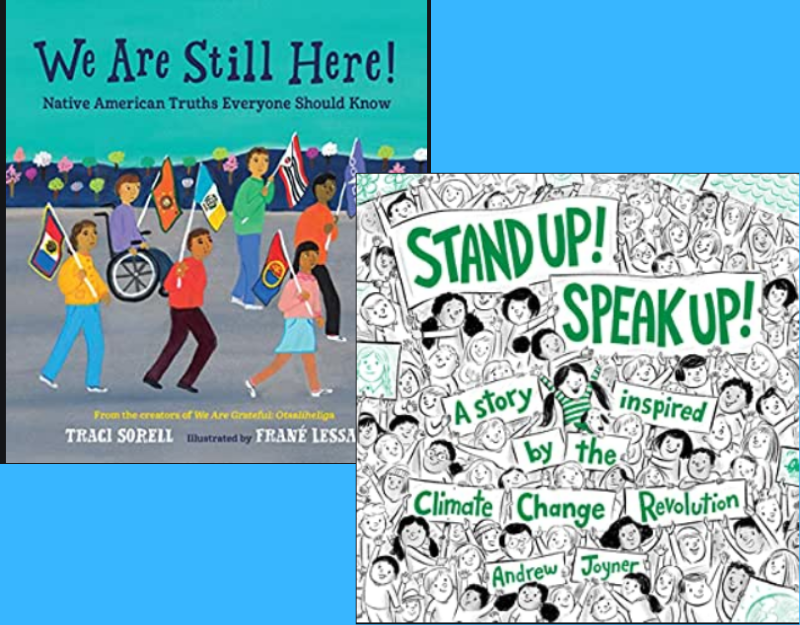
Aimed at infants and toddlers through elementary school students, these titles introduce topics such as intersectionality and privilege, with explanations that are age-appropriate and honest.
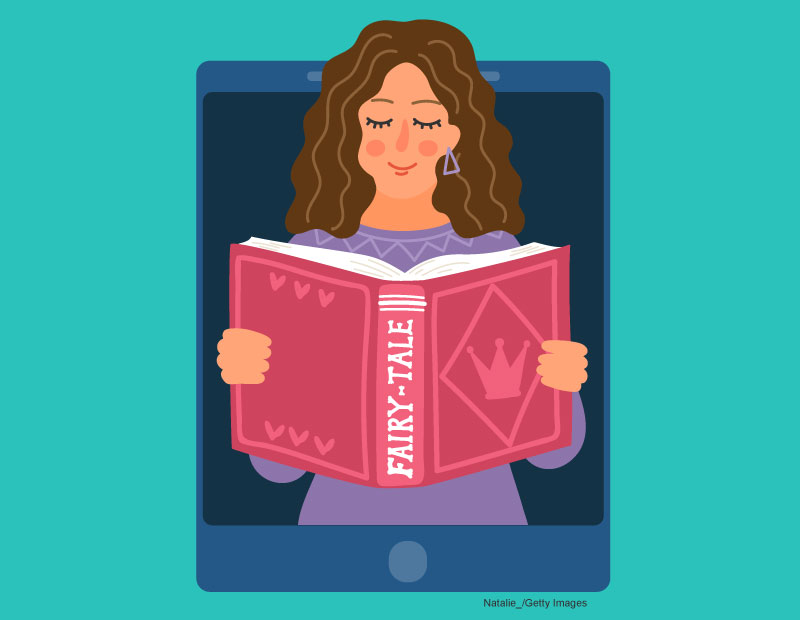
Ebooks aren't ideal for tactile toddlers, but in virtual story times, they can minimize problems like glare and book size.

The Black Caucus of the American Library Association will use the money to fund a one-day forum to strengthen support for Black/African American MLIS students; students fight censorship in Texas and Alaska, and more.
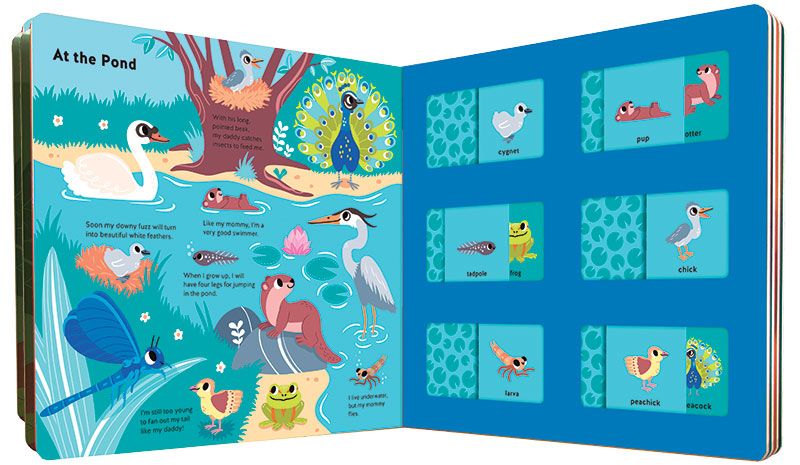
The need for engaging books for the very youngest children has seldom been higher. From small-format, wordless books to those filled with fascinating details, recent board books allow children to investigate the world around them without leaving familiar surroundings.
As access to physical books has become difficult during the pandemic, digital libraries, Zoom story times, and other resources help young students stay connected to books and stories.
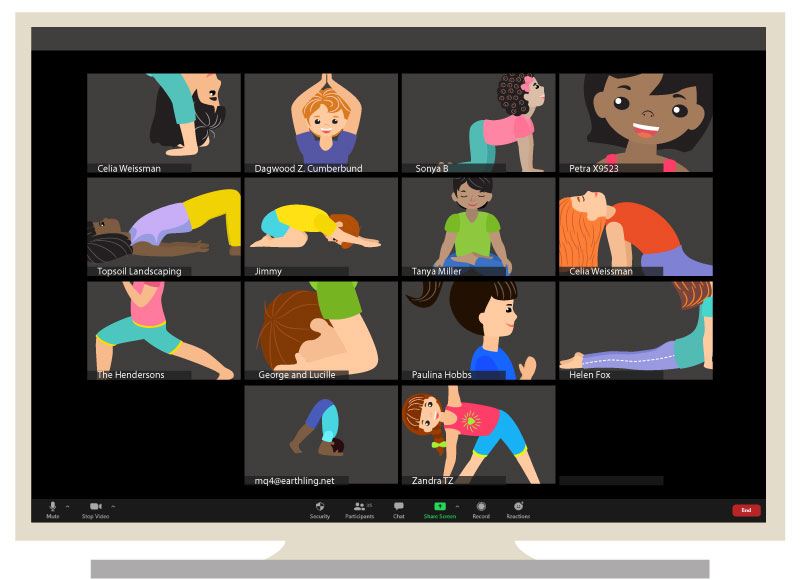
Created out of necessity, virtual library programs for little ones and their families, who tune in from home, have many upsides.
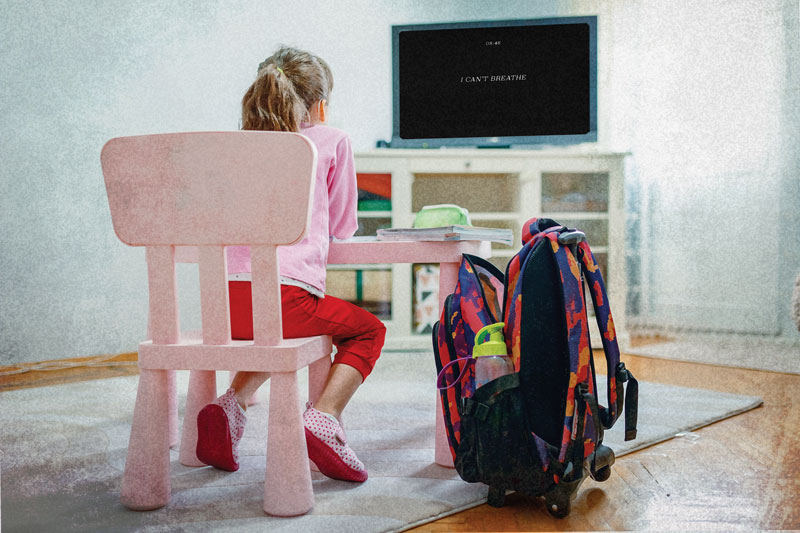
Research shows that preschoolers naturally categorize people by race, can be conscious of social stereotypes as early as age six, and naturally attribute positive traits to their own ethnic or racial groups.
ALREADY A SUBSCRIBER? LOG IN
We are currently offering this content for free. Sign up now to activate your personal profile, where you can save articles for future viewing
ALREADY A SUBSCRIBER? LOG IN
Thank you for visiting.
We’ve noticed you are using a private browser. To continue, please log in or create an account.