Series Made Simple

There are so many great stories in athletics that it’s not surprising that young readers never seem to get their fill of sports books.

The English language, with its many nuances and rules, is complicated. Good literature and quality examples help children to internalize and gain ownership of its conventions.

History is etched in stone. The interpretation of it is not. One of the perennial challenges for purveyors of the past is the almost irresistible urge to compartmentalize it into neat, clinical time lines and periods with no room for interpretation.
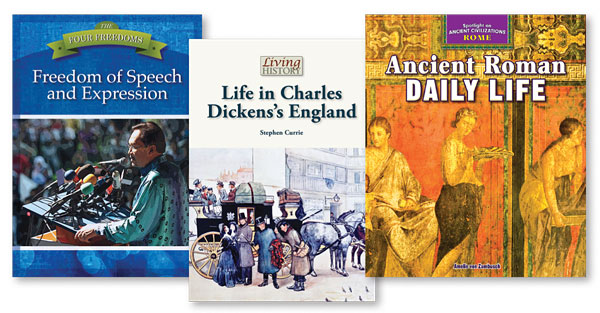
Most of recorded world history is the story of the achievements and actions of or interactions among cultures. In some cases, societies created or contributed ideas or technology that led to more freedoms, greater prosperity, and better lives for millions.
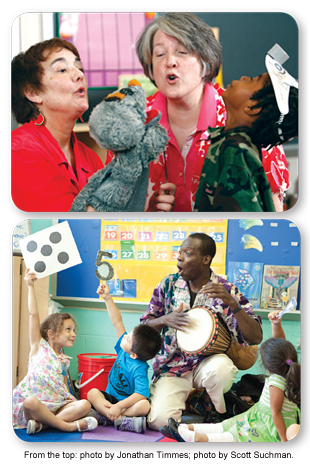
Would you perform a ballet that was inspired by a geometry lecture? What about a puppet show about engineering? Sounds outright odd, right? But maybe dancing about math would feel less strange if you knew that young learners would never forget the lesson.

Though STEM subjects often lose their shine in later years, to many younger children they are a consuming interest.

Teachers can bank on these math series to encourage successful classroom learning.

Seasons, colors, ecosystems, rocks, and other subjects covered by these series are well represented in most library collections.

Whether the titles here take young readers on rides to distant planets or into their own bodies or explain how science is employed in coping with crimes and catastrophes, all present factual information in verbal and visual ways intended to stimulate an enduring curiosity about the natural world.
512 articles
ALREADY A SUBSCRIBER? LOG IN
We are currently offering this content for free. Sign up now to activate your personal profile, where you can save articles for future viewing
ALREADY A SUBSCRIBER? LOG IN
Thank you for visiting.
We’ve noticed you are using a private browser. To continue, please log in or create an account.