Stem
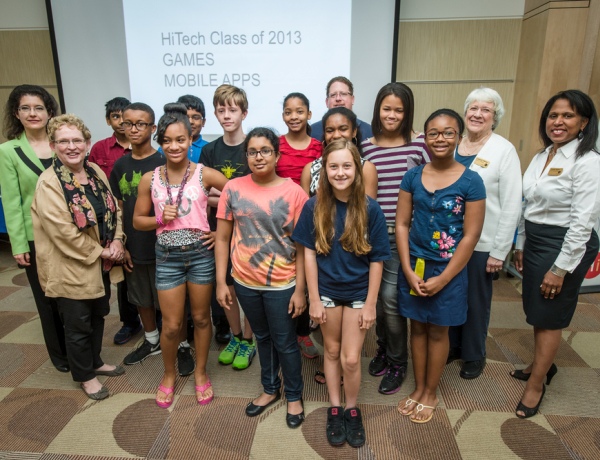
Maryland’s Howard County Library System, 2013 Gale/LJ Library of the Year, will use the $276,500 grant it has received from the Institute of Library & Museum Services (IMLS) to expand its HiTech program. The program is a STEM education initiative for teens that provides project-based classes in such skill areas as computer programming, 3-D animation, green energy, nanotechnology, music/video production, ebooks, game app design, cybersecurity, and robotics.
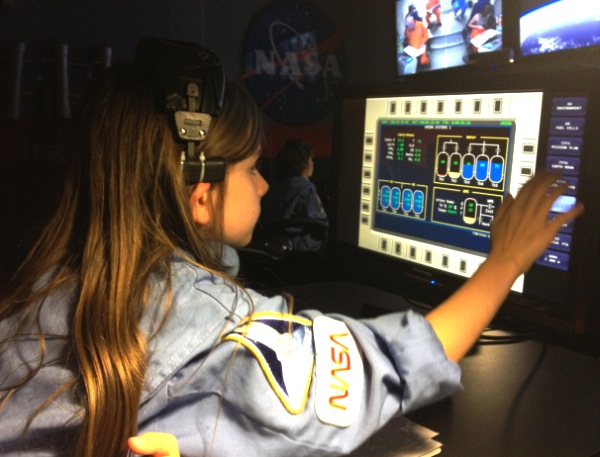
Though the U.S. is still trying to push students to absorb more science, technology, engineering, and mathematics (STEM) subjects, the U.S. Space & Rocket Center in Huntsville, AL—aka Rocket City—has been steering hopeful scientists for decades, since opening the doors to Space Camp in 1982. Space Camp is a STEM education fantasy world, in which kids in attendance experience days of STEM learning wrapped into intensive space exploration and rocketry know-how.
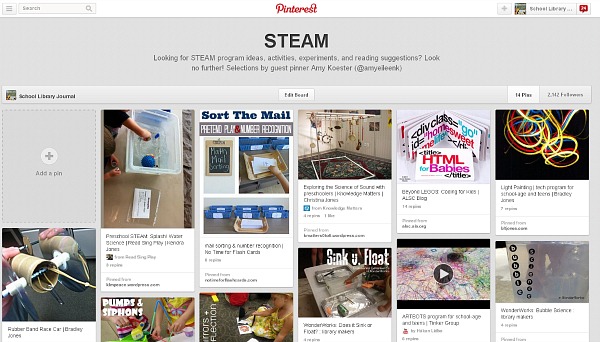
Curious about STEAM? Check out School Library Journal's Pinterest board, curated by children’s librarian Amy Koester, author of our October 2013 cover story, “Full STEAM Ahead: Injecting Art and Creativity into STEM.”

STEAM (science, technology, engineering, arts, and math) is part of a new trend that integrates hands-on learning with STEM. It taps into children’s natural interests while also facilitating informal learning. Show Me Librarian Amy Koester shares how school and public librarians can incorporate STEAM into their programs.

Children's librarian Amy Koester shares some of her go-to STEAM (science, technology, engineering, art, math) programs, for all ages.
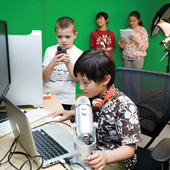
STEAM education engages young people in science and technology through collaboration and invention, much the same as a maker space does. In fact, many aspects of the best maker spaces already exist in school libraries. Two readers weigh in.

A design revolution is reinventing the children’s room in public libraries and changing the way young children learn. This new breed of literacy-packed play spaces in libraries is inspired by children’s museums and the developmental theories that drive them.
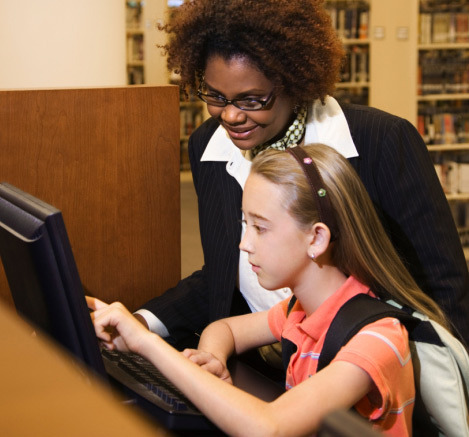
The very language of the Common Core State Standards calls for librarians’ key skills: research; equipping students to access, evaluate, and synthesize information; and strengthening literacy. Paige Jaeger, a coordinator of school library services in Saratoga Springs, NY argues that librarians can build a strong case for a seventh shift in the CCSS: research.
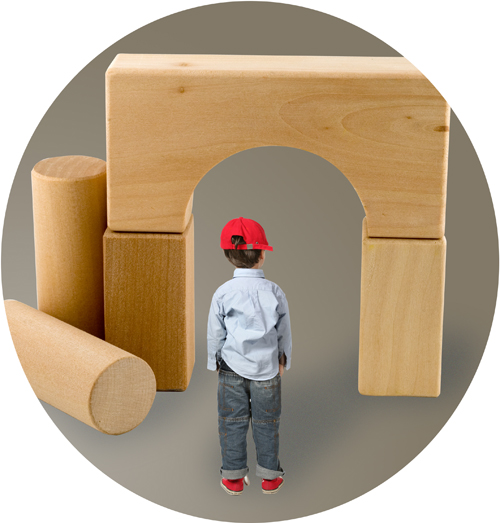
Do you know STEAM (Science, Technology, Engineering, Arts, and Mathematics)? From hosting “parties” with traditional building blocks to using science kits with young children, ideas for STEAM programming in libraries were shared at a recent panel at the ALA (American Library Association) annual conference.
198 articles
ALREADY A SUBSCRIBER? LOG IN
We are currently offering this content for free. Sign up now to activate your personal profile, where you can save articles for future viewing
ALREADY A SUBSCRIBER? LOG IN
Thank you for visiting.
We’ve noticed you are using a private browser. To continue, please log in or create an account.