Research
This past January, the Alliance for Excellent Education published a report showing school librarians in the front lines of the education movement to shepherd digital tools and skills into the hands of students.
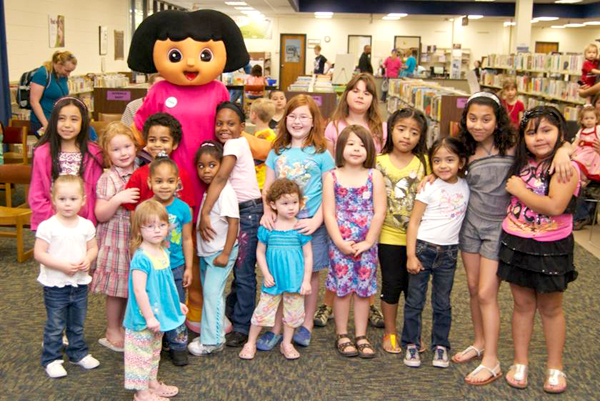
The results of a pilot study of Missouri’s Mid-Continent Public Library (MCPL) suggest that summer reading programs actually raise student reading levels by their return to school in the fall—particularly among at-risk kids.

A majority of fourth graders in the United States are still not reading proficiently, according to a new report from the Annie E. Casey Foundation. The data show that 80 percent of lower-income fourth graders and 66 percent of all kids are not reading at grade level.
More than half of parents (57 percent) believe their children have learned “a lot” from educational media, but that learning from mobile devices falls short compared to other platforms, according to a new report by the Joan Ganz Cooney Center.

Think reality shows are nothing but a bad influence on viewers? Think again. A new report from the National Bureau of Economic Research links a decline in teen pregnancy rates to the MTV show 16 and Pregnant.

A new Harvard study examines US students’ attitudes towards technology in schools. Although 78 percent own cell phones, activating them in schools is restricted, which frustrates students. Students also express frustration with school's limited WiFi access, Internet filtering, monitoring, and the push to embrace tablet computers.

As younger and younger children recognize and use electronic devices as sources of information and entertainment, what is the impact on their literacy skills? Largely a positive one, according to a study in the January edition of SAGE Open.

School library media specialists, especially in high schools, expect ebook usage by their students to rise incrementally, according to the 2013 Survey of Ebook Usage in U.S. School (K–12) Libraries. The annual survey, the fourth of its kind, was produced by School Library Journal and sponsored by Follett.
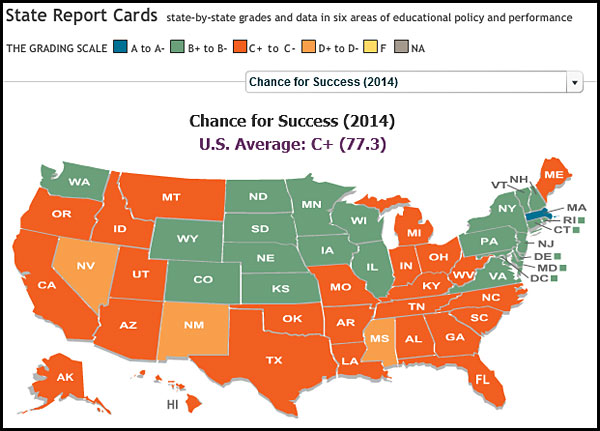
Despite notable progress in key states, overall US student achievement has stalled in the face of funding hurdles and equity gaps, according to the Editorial Projects in Education Research Center’s annual “Quality Counts” report.
261 articles
ALREADY A SUBSCRIBER? LOG IN
We are currently offering this content for free. Sign up now to activate your personal profile, where you can save articles for future viewing
ALREADY A SUBSCRIBER? LOG IN
Thank you for visiting.
We’ve noticed you are using a private browser. To continue, please log in or create an account.