Opinion

With accessible tools, you and your students can create your own simple animations to convey powerful ideas. Screencast tutorials will have you up and running with the latest "Cool Tools" from Richard Byrne, SLJ columnist and blogger at "Free Technology for Teachers."
How is Google shaping our brain and the way we think? And what does it mean for educators? Marc Aronson ponders those questions.

While the device may have some improvements in subsequent iterations, the 3-D pen has potential for use with teens, especially with burgeoning maker programs.

A Colorado teacher librarian shares her thoughts about how librarians can work with counselors, psychologists and social workers in schools to increase awareness about this important issue.
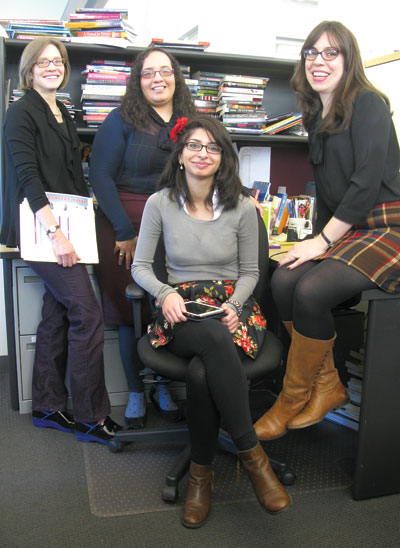
As 2014 arrives, it is with great pleasure that I introduce you to our newest members of the team, poised to serve you, dear readers, even more effectively than before.

"Twenty thirteen was the 'year of the tablet' and good riddance," says Christopher Harris. Time to focus on the real reason to invest in any tool for learning: content and pedagogy.

The Association for Library Service to Children (ALSC) has awarded mini-grants to 15 libraries to start Día Family Book Clubs and incorporate Día literacy activities into their existing programs throughout the year.
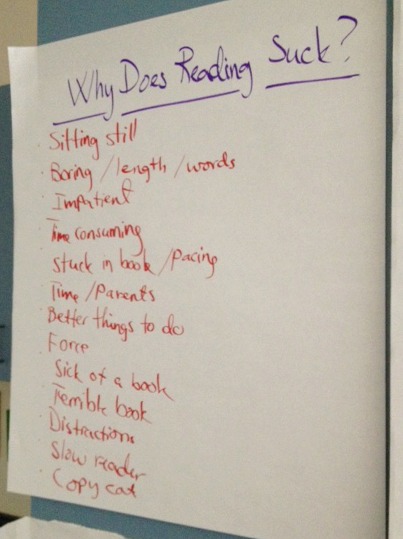
"I try to help my students be passionate readers," writes teacher Pernille Ripp. "I try to be a role model for this in the classroom—but to do this I have recently realized that I must also discuss why, for many students, reading sucks."

Thinking about Tanya Bolden's 'Courage Has No Color, the Story of the Triple Nickles' and Steve Sheinkin's forthcoming 'The Port Chicago 50,' Marc Aronson asks, "Why are there so few nonfiction books by people of color that are not about the history of their own race/ethnicity?"
1,945 articles
ALREADY A SUBSCRIBER? LOG IN
We are currently offering this content for free. Sign up now to activate your personal profile, where you can save articles for future viewing
ALREADY A SUBSCRIBER? LOG IN
Thank you for visiting.
We’ve noticed you are using a private browser. To continue, please log in or create an account.