Opinion

The recent events in France and Mali have told us that there are real threats to our security. It is in the best sense "true citizenship" to use this moment to help young people to resist easy blame and to reject scapegoating.
Nominations are now being accepted by The Brown Bookshelf for their ninth annual 28 Days Later campaign, a Black History Month showcase honoring emerging and established children’s book creators' literary contributions.

In recent years, we have seen an explosion of Latino authors writing for young adults. These works offer much-needed windows (and mirrors) for all readers.
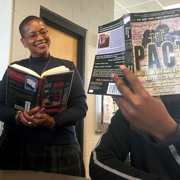
These librarians are committed to giving African American youth, particularly those in low-income communities, reasons to visit their school or public libraries—and to increasing the variety of materials that draw them into reading.
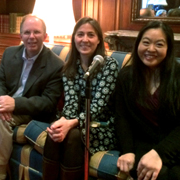
Rebecca Stead, Paul Acampora, and Valynne E. Maetani held court at “It’s Complicated: Secrets, Schemes, and Friends,” a panel held Sunday, November 9 at the New York Society Library and funded by author Richard Peck. The writers considered the role of social media, talked about their research process, and discussed the future of YA.

SLJ's Teen Issue highlights the field's steadfast commitment to making a transformative difference in the lives of young adults. The editors share some thoughts on the innovative spirit and responsive programs that are taking teen services to a new level.
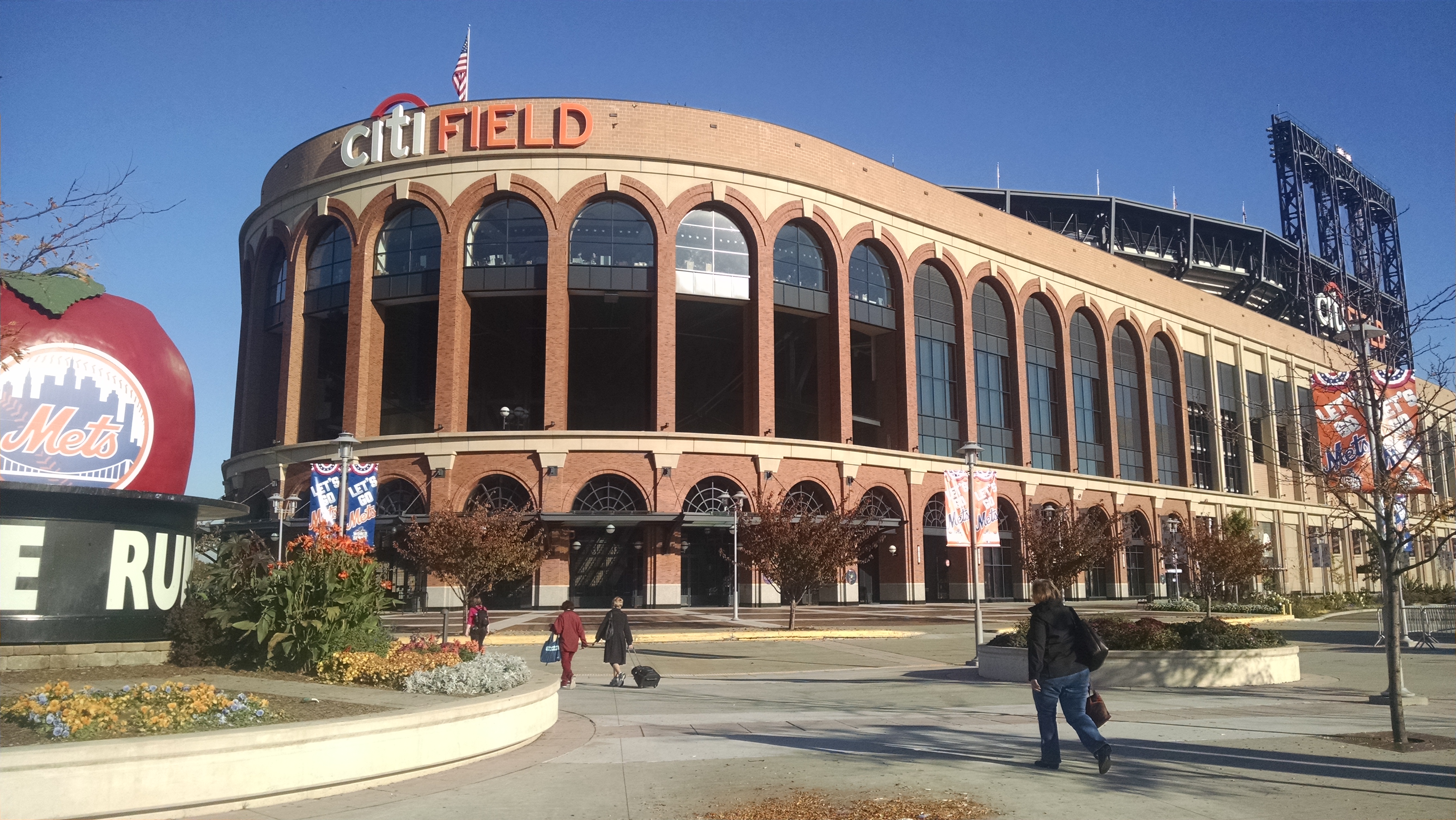
“Libraries for ALL Learners” was this year’s theme at the New York City Department of Education’s Library Services Annual Fall Conference, which convened at CitiField in Flushing. The session encompassed diversity in culture, ability, learning styles, gender and sexual identity.

Author G. Neri speaks with public librarians about the rigors and rewards of working with young adults who are at risk.
These three memoirs about young people who have overcome incarceration, gang life, and impoverished childhoods will satisfy the need for representation of teens in the margins.
1,944 articles
ALREADY A SUBSCRIBER? LOG IN
We are currently offering this content for free. Sign up now to activate your personal profile, where you can save articles for future viewing
ALREADY A SUBSCRIBER? LOG IN
Thank you for visiting.
We’ve noticed you are using a private browser. To continue, please log in or create an account.