Opinion

I admit it. I’ve said in confidence to more than one struggling African-American author: “You could always write about slavery or civil rights.” They all looked at me the same way I probably looked at the guy who told me to retreat in time and reach for a tomahawk.

Creating a blockbuster with diverse characters requires years of commitment, collaboration, and buy-in from every segment of the publishing community.
The $700 million spent by librarians annually is not just a drop in the bucket, and our collective spending power can be used to move the needle in the publishing landscape toward diverse authors, characters, and books. So what are we waiting for?

In many classrooms, traditional rows are giving way to pods of desks where students work collaboratively. As students get used to flexible, collaboration-friendly environments, libraries need to adapt as well.
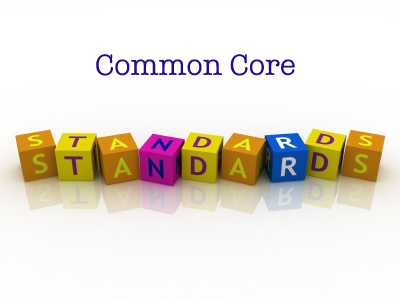
Savvy librarians seize and incorporate the tenets of Common Core State Standards learning in their practices—doing so offers them an opportunity to demonstrate their role in student achievement.

What does your neighborhood really need from you? Tips to help libraries get to know the communities that they serve, with a resource list of potential partners, literacy and early childhood organizations, and sources of demographic data.
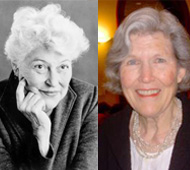
Charlotte Zolotow, Margaret K. McElderry, Jean Karl, Dorothy Briley, and Frances Foster—all creators of modern books for children and teenagers—groomed many young editors. What was it that these greats had in common?
SLJ columnist Pat Scales addresses the privacy of kids' library records; censoring incarcerated teen reading; and the difference between "restricting" and "removing."
To add diversity to your collection, or build one that considers your community's demographics, consider these titles that you may have missed, including Coe Booth's middle-grade debut and a memoir by an undocumented immigrant.
1,285 articles
ALREADY A SUBSCRIBER? LOG IN
We are currently offering this content for free. Sign up now to activate your personal profile, where you can save articles for future viewing
ALREADY A SUBSCRIBER? LOG IN
Thank you for visiting.
We’ve noticed you are using a private browser. To continue, please log in or create an account.