Nonfiction
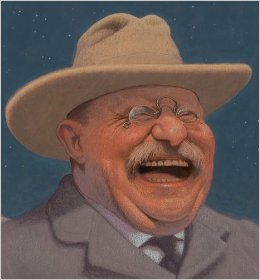
In her writing, Doreen Rappaport champions those who have wrestled with authority figures and great personal challenges—often risking their lives for a greater good. Her latest book examines the life of Teddy Roosevelt.
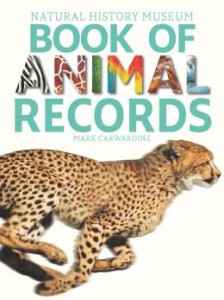
Who knew to what extent some adults and the U.S. Government went to correlate comic books to crime and to try to regulate (and ban) them during the years 1948 to 1955? Find out in 'Bad For You" one of the books highlighted in this month's 'Nonfiction Notes.'
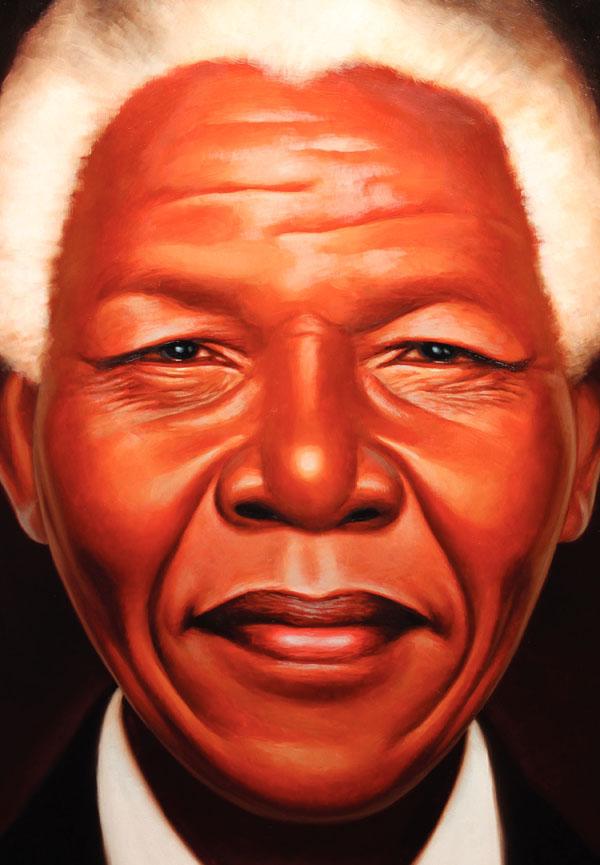
Superb choices for sharing aloud or reading independently, picture book biographies make useful starting points for investigations of subjects that span the curriculum. This year's selections includes artists, activists, and an aviatrix.
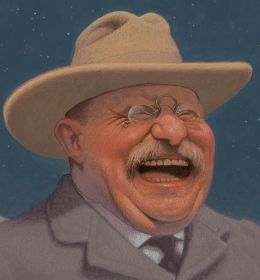
Rappaport breathes life into her subject in a way that is sure to spark the interest of the most reluctant reader.
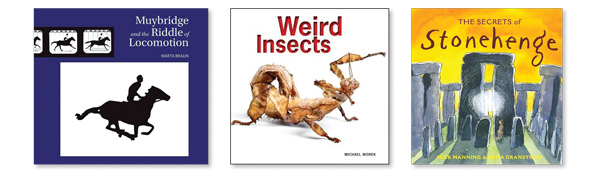
Marta Braun on Eadweard Muybridge’s experiments with motion photography.

Why should we study primary source documents? These are artifacts created by the people who lived through the events and time periods under study. Providing students the opportunity to study primary sources can give rise to student inquiry and encourage them to speculate about each source, its creator, and the context in which it was produced. The Library of Congress has millions of primary source documents and tools for teachers and students to dig into, 24/7.
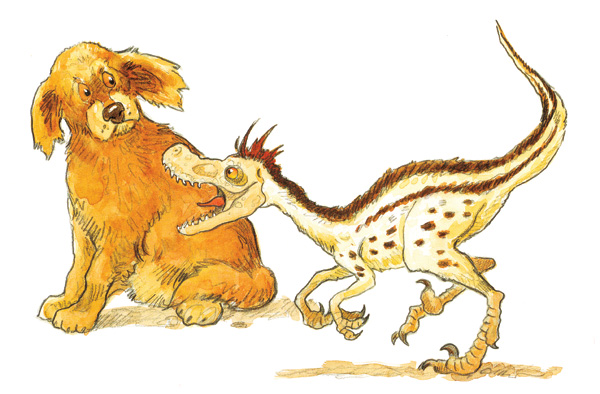
Lita Judge poses 12 prehistoric creatures with modern people or animals in compelling support of the observation that dinos came in a great range of sizes.
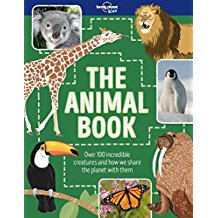
Can a reference book win the Newbery? Yes, it can, according to Jonathan Hunt of the blog Heavy Medal.
6,960 articles
ALREADY A SUBSCRIBER? LOG IN
We are currently offering this content for free. Sign up now to activate your personal profile, where you can save articles for future viewing
ALREADY A SUBSCRIBER? LOG IN
Thank you for visiting.
We’ve noticed you are using a private browser. To continue, please log in or create an account.