Maker
Has the maker movement taken hold in your library yet? Starting a maker space is easier—and less costly—than you may think. Technologies such as robotics, digital video production, computer coding, and 3-D printing may garner the most attention, but traditional activities instill the same spirit of invention, collaboration, and critical thinking of the maker phenomenon.

STEAM (science, technology, engineering, arts, and math) is part of a new trend that integrates hands-on learning with STEM. It taps into children’s natural interests while also facilitating informal learning. Show Me Librarian Amy Koester shares how school and public librarians can incorporate STEAM into their programs.
Children's librarian Amy Koester shares some of her go-to STEAM (science, technology, engineering, art, math) programs, for all ages.

This weekend, thousands of educators, parents, and kids of all ages will join the crowd of DIY enthusiasts flocking to New York City’s 4th annual World Maker Faire New York to see more than 650 makers present original projects celebrating such areas as technology, education, science, arts, crafts, engineering, and sustainability. The family-friendly festival of invention and creativity will also be offering a “How to Make a Maker Space” workshop ahead of the main event.
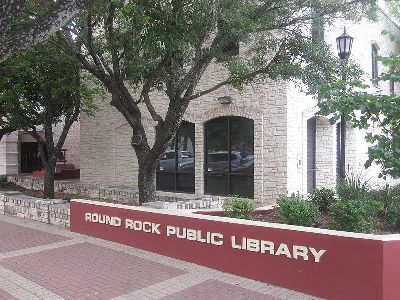
The Texas State Library and Archives Commission (TSLAC) has awarded the Round Rock Public Library System a grant of $49,500 to build Innovation Station, an after-school maker space and program that aims to engage middle schoolers in project-based science, technology, engineering, mathematics, art and design activities. The grant is part of a total $1.6 million in awards that TSLAC is distributing in fiscal 2014 to Texas library programs.

Anythink's dynamic director explores how children's services librarians will shape the future of libraries, libraries as places of discovery and experience, and the shift toward participatory librarianship.
321 articles
ALREADY A SUBSCRIBER? LOG IN
We are currently offering this content for free. Sign up now to activate your personal profile, where you can save articles for future viewing
ALREADY A SUBSCRIBER? LOG IN
Thank you for visiting.
We’ve noticed you are using a private browser. To continue, please log in or create an account.