Literacy
Evaluating sources and using information effectively is critical. The right tools and support can help librarians teach these skills better, according to SLJ’s survey of middle and high school librarians.
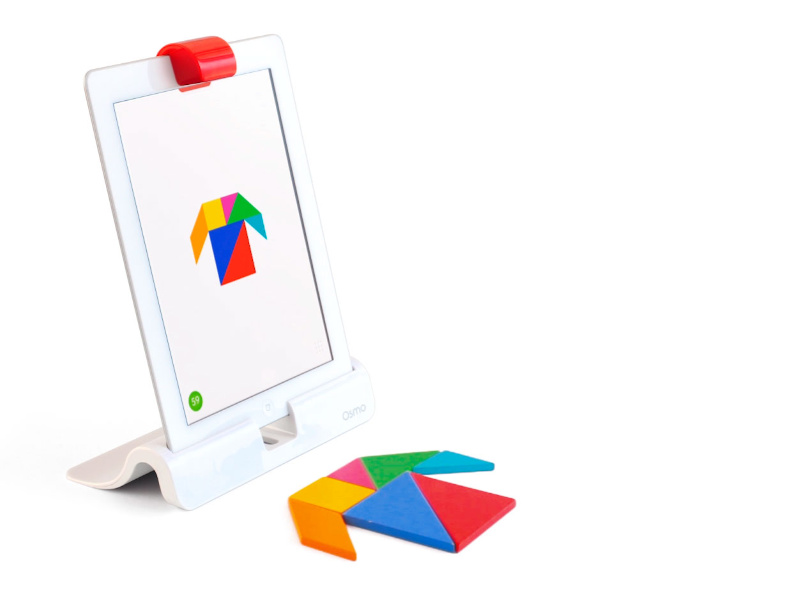
After receiving requests from parents, Osmo has created an educational game for children age 3-5 that seamlessly weaves digital and physical play.
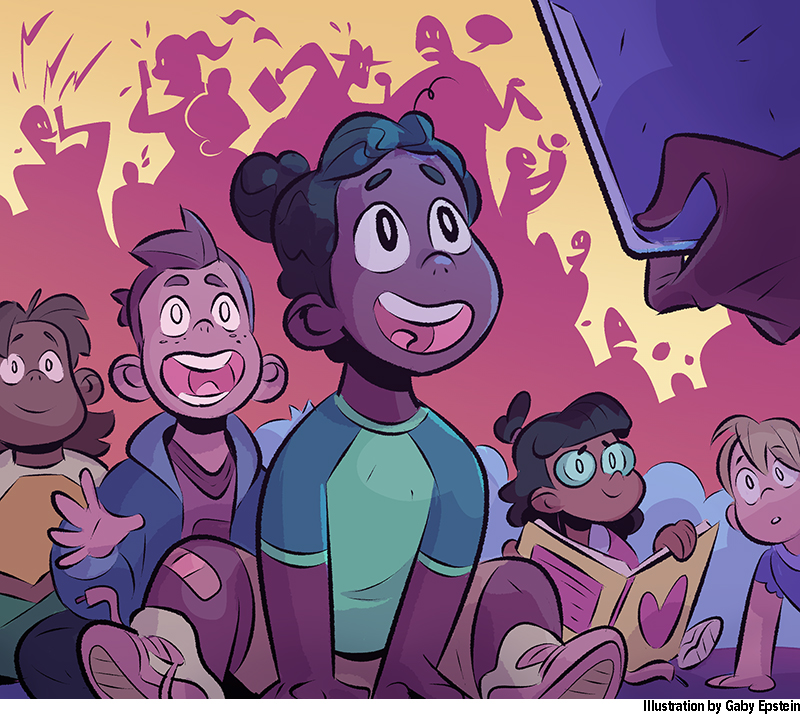
While traditional storytime isn’t going away, public libraries are exploring new strategies to serve toddlers and preschoolers, from STEM for babies and Touchpoints for Libraries, to new guidance on screen time.
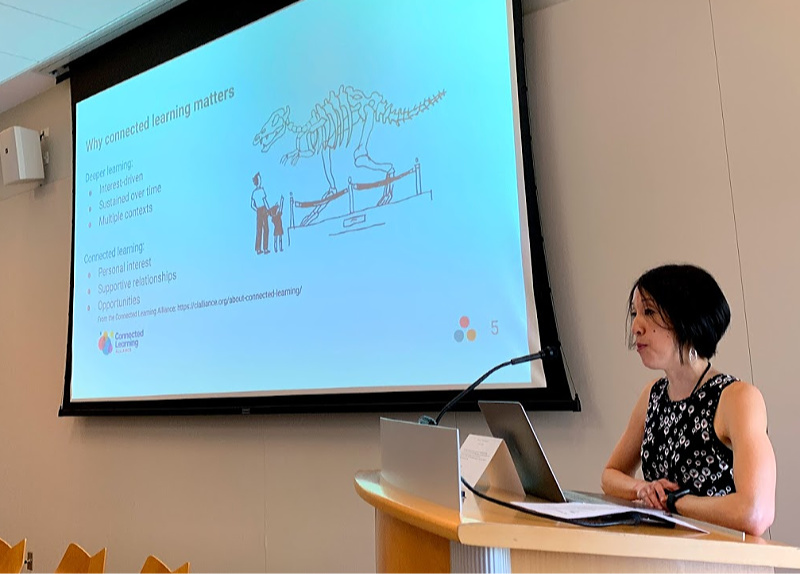
Getting more families into libraries is one goal of the FamLAB Project, which has tapped a cross-sector cohort to expand out-of-school learning opportunities for young children and their families.
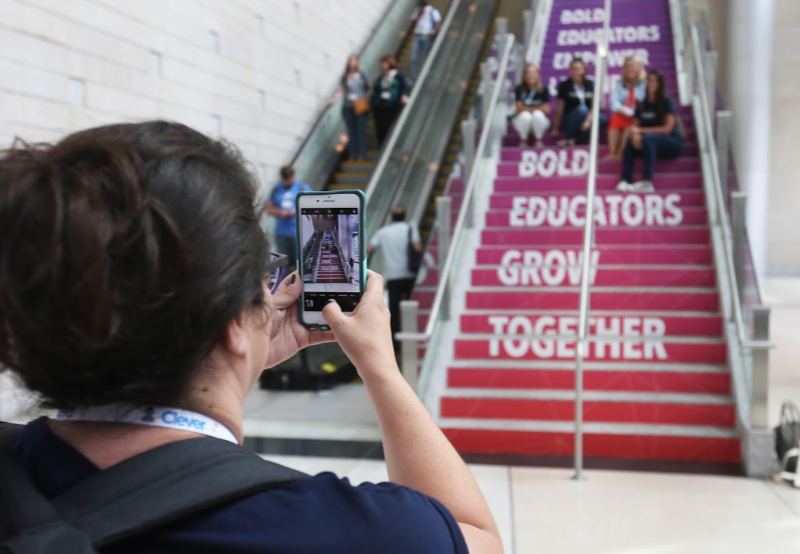
Inspiring projects, discussions of diversity, equity, and inclusion, and creating with—not just consuming—augmented and virtual reality were just some of the highlights of ISTE 2019.

Library Ideas debuts Immersive Reality Books, a new line of children’s nonfiction titles featuring integrated virtual reality and augmented reality content.

A new tool to help teach students which news outlets to trust; the UN releases its second book club list; and libraries are having their moment on Jeopardy!
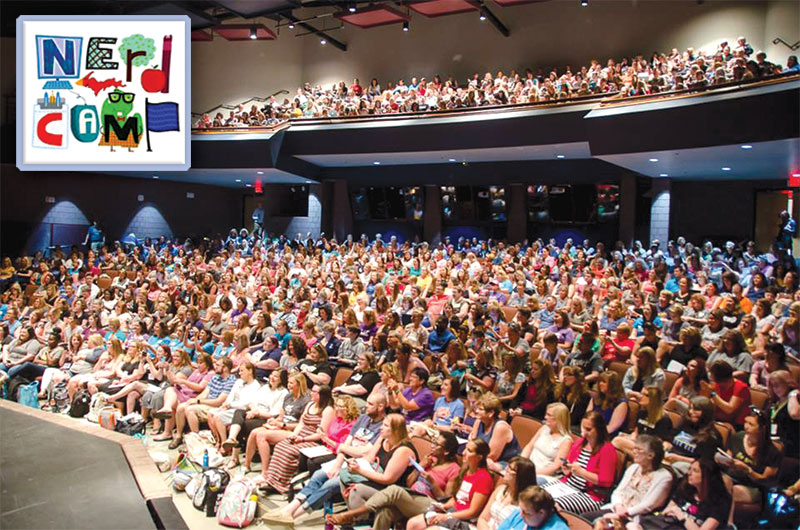
Colby Sharp, one of the creators of the first Nerd Camp, offers his advice for hosting your own version of the popular education camps with a literacy twist.
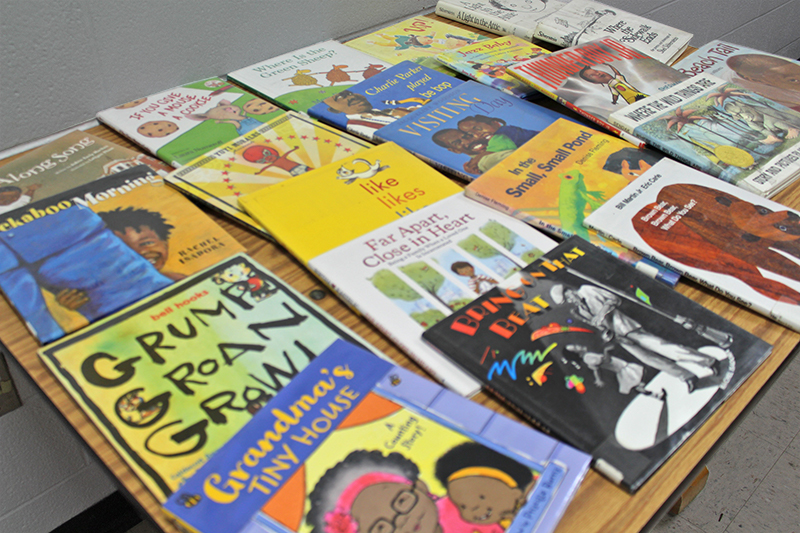
Elizabeth Atack and Klem-Mari Cajigas reworked their Bringing Books to Life! family literacy workshops for incarcerated teen dads, who recorded themselves reading books for their children.
ALREADY A SUBSCRIBER? LOG IN
We are currently offering this content for free. Sign up now to activate your personal profile, where you can save articles for future viewing
ALREADY A SUBSCRIBER? LOG IN
Thank you for visiting.
We’ve noticed you are using a private browser. To continue, please log in or create an account.