Literacy
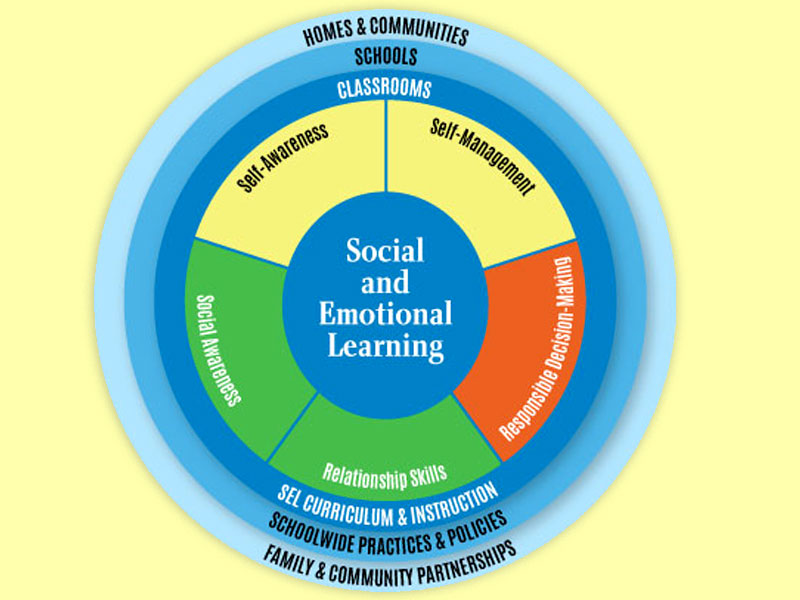
More schools are consider new ways to add news literacy and SEL to their teaching. There’s never been a better time to combine these efforts.

Experts shared advice on how to teach students to analyze information during an SLJ/ISTE webcast on critical thinking in the age of fake news, misinformation, and disinformation.
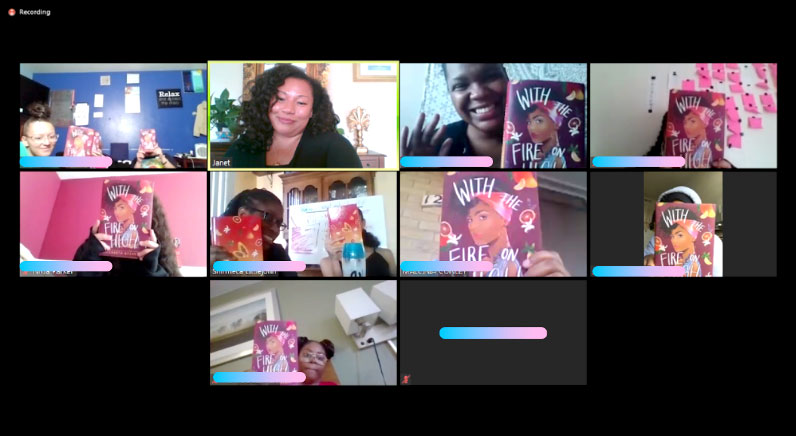
With students learning from home, Denver Public Schools' ebook and audio checkouts topped 51,000 in April. Here's how librarians are making that happen.

“Imagine Your Story” is the focus of this year’s Collaborative Summer Library Program. These podcasts for elementary, middle, and high school students will keep their imaginations active.

Tuscaloosa City Schools centered librarians in literacy efforts and has boosted reading engagement, raised test scores, and reinvigorated staff. The program's success can be a model for others, especially as schools and educators will need to come together to overcome the probable academic slide from school closures.
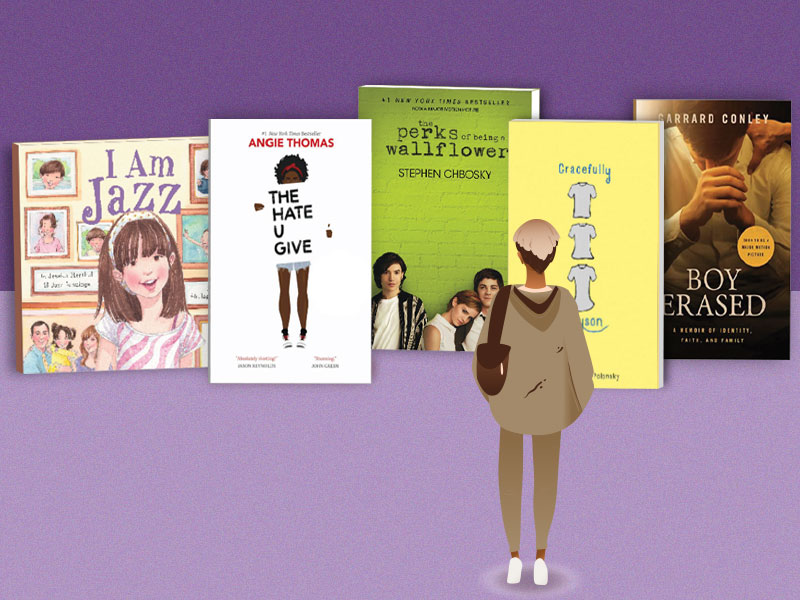
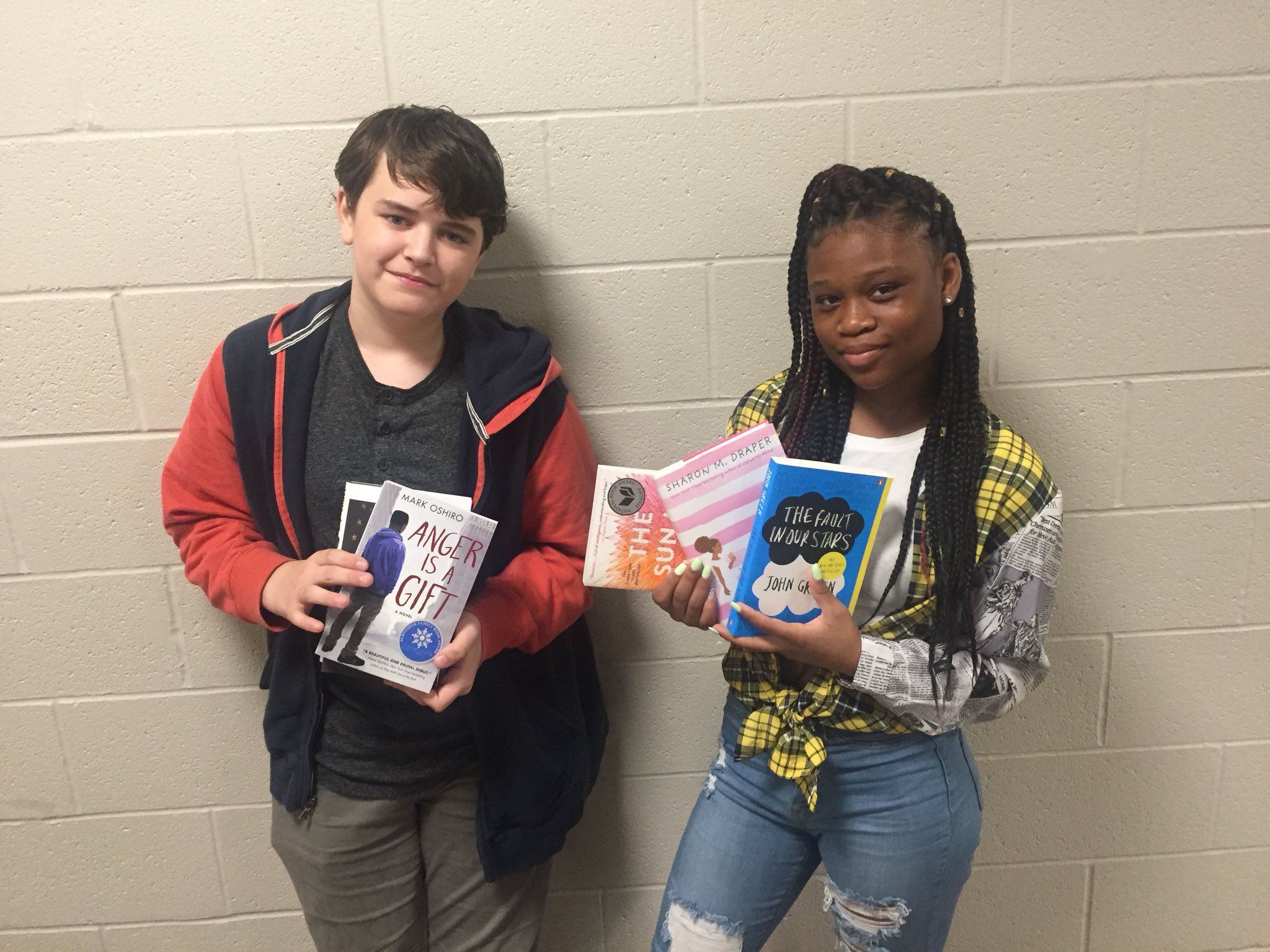
Teachers don't usually ask their students what they should teach. A middle school English teacher gained important insights when she spoke with her students about the kinds of books they want to read in class.
The award-winning author will post two videos a week to help inspire young people to write, along with a monthly newsletter for educators and parents.
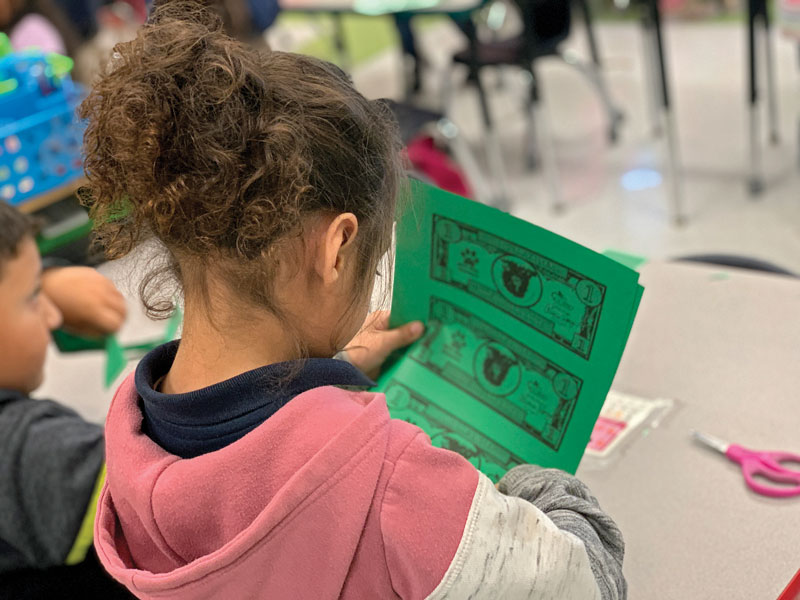
April is National Financial Literacy Month. Libraries are doing their part to educate young people about concepts from budgeting to interest to help them be more economically resilient.
ALREADY A SUBSCRIBER? LOG IN
We are currently offering this content for free. Sign up now to activate your personal profile, where you can save articles for future viewing
ALREADY A SUBSCRIBER? LOG IN
Thank you for visiting.
We’ve noticed you are using a private browser. To continue, please log in or create an account.