Literacy
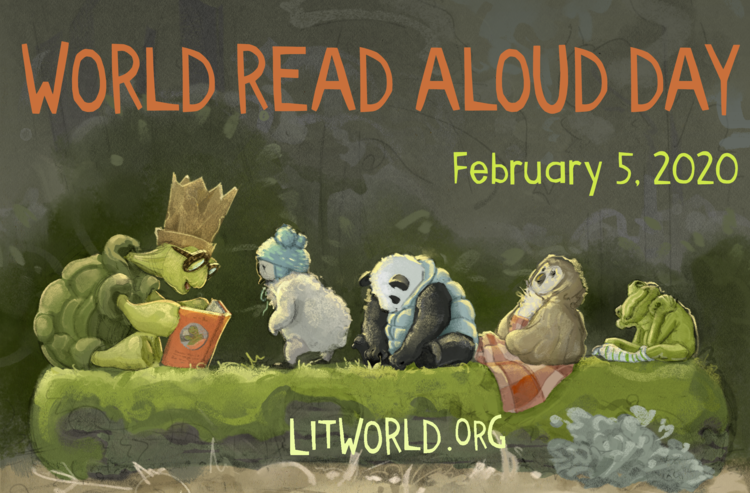
It's more than just a day. Educators planned activities throughout the week, as teachers and school librarians changed schedules to prioritize and celebrate reading aloud.
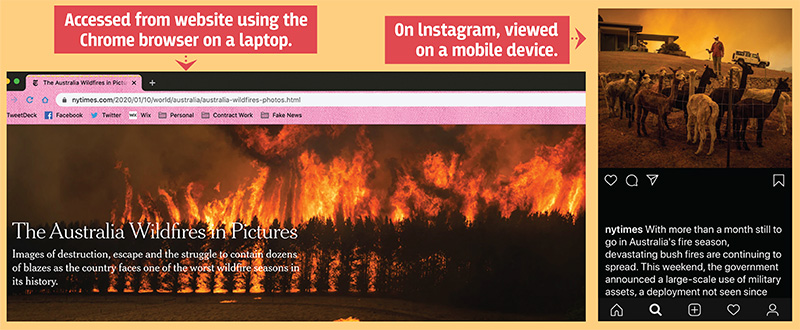
News looks different depending on the device it's viewed on. Educators need to address that, say Jennifer LaGarde and Darren Hudgins in the first article in a series on news literacy.
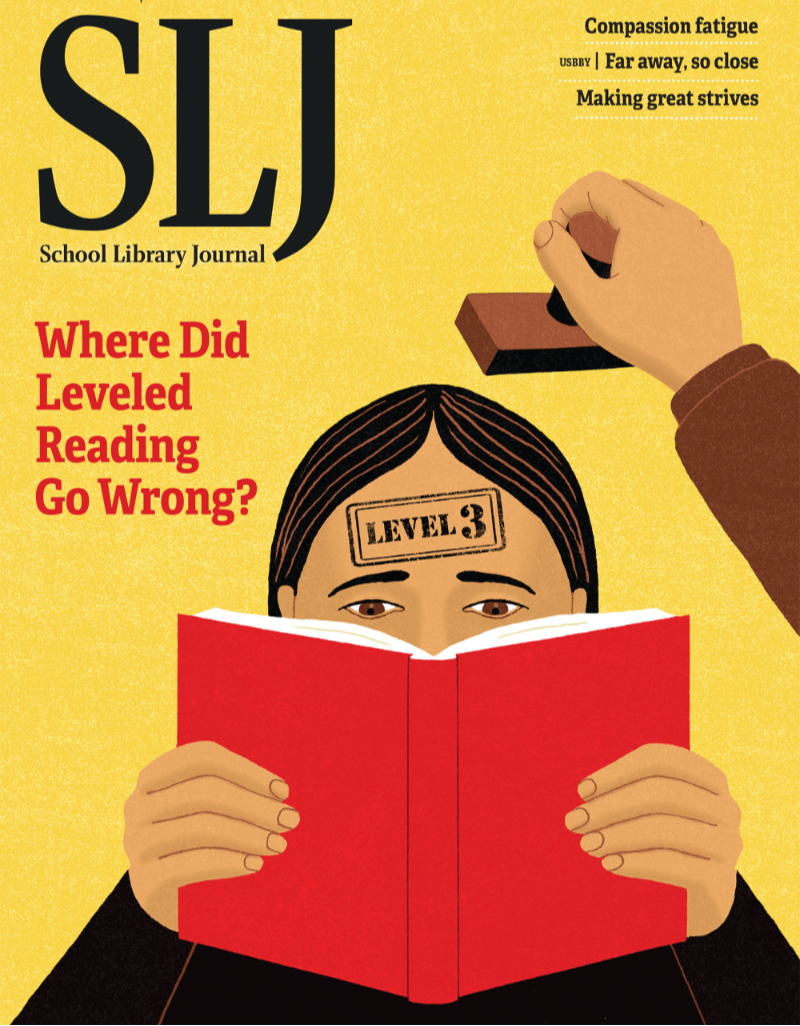
Debates over leveling focus on how to best teach reading versus how to foster passionate readers who choose their own books. How did we get here?
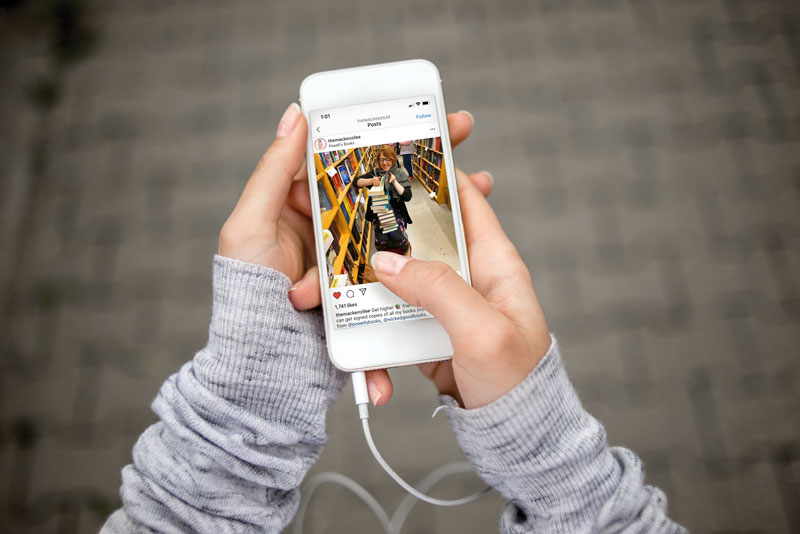
Connect students with their favorite writers—and others they might not know yet—to create excitement around books.
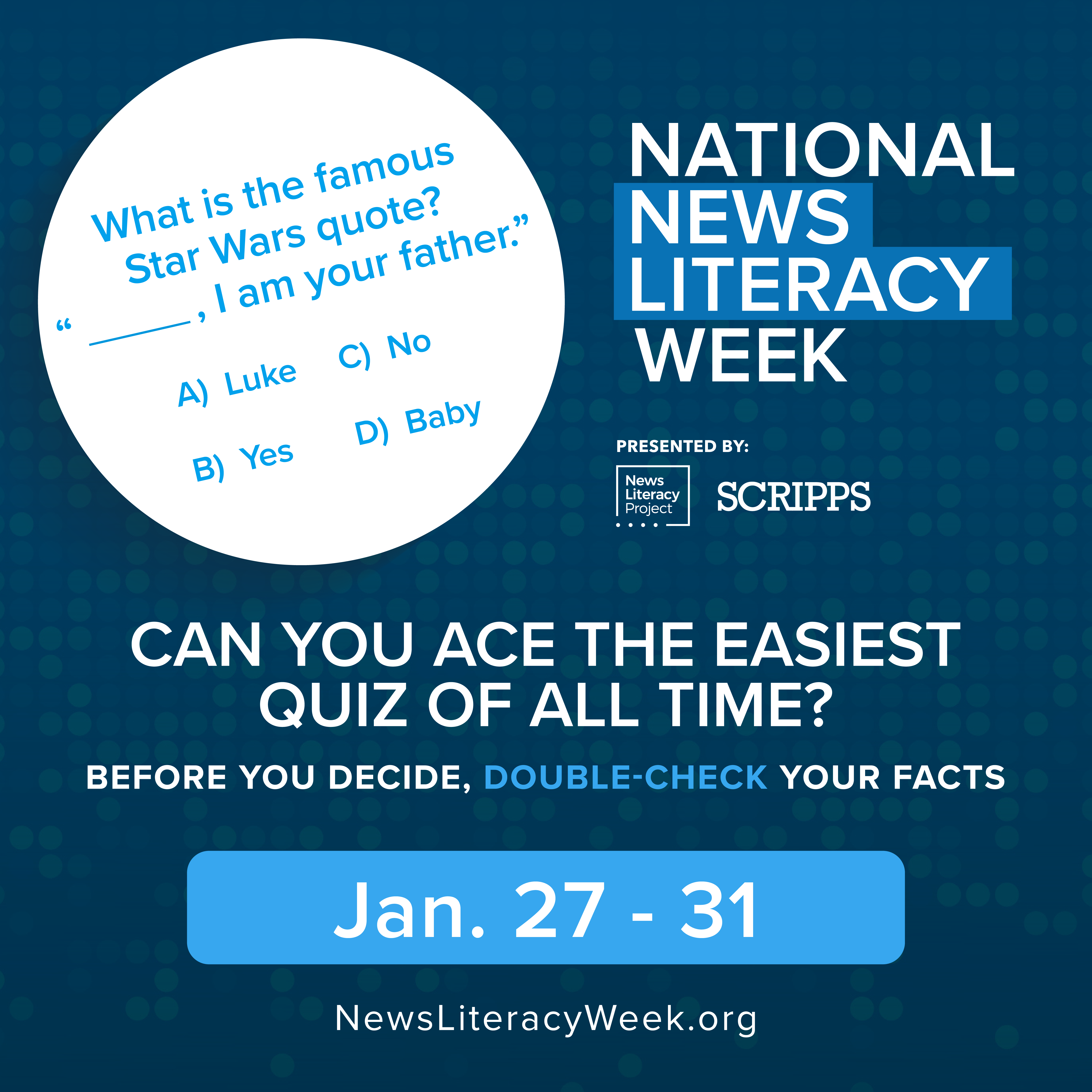
To help the next generation learn the "fundamental life skill" of news literacy, the organizations will educate people of all ages on how to identify misinformation and the importance of a free press.
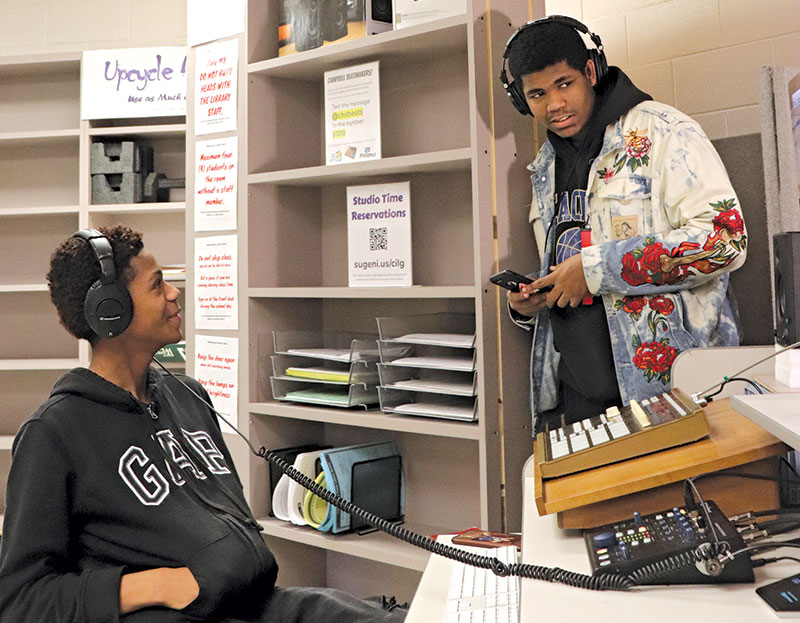
Librarians who add a little hip-hop, spoken word, and rap to their repertoire get students reading and writing.
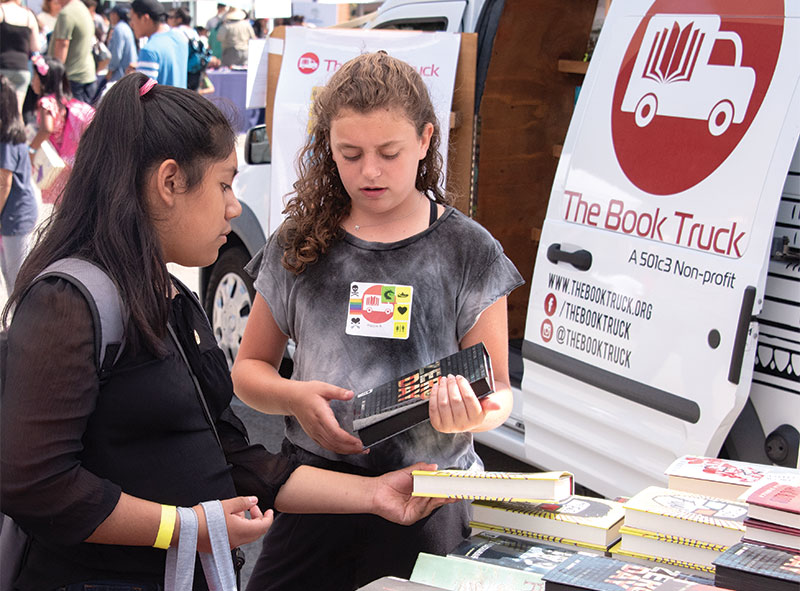
A bookmobile staffed by teen volunteers gives away high-demand YA titles to low-income students or those who are in foster care or experiencing homelessness.
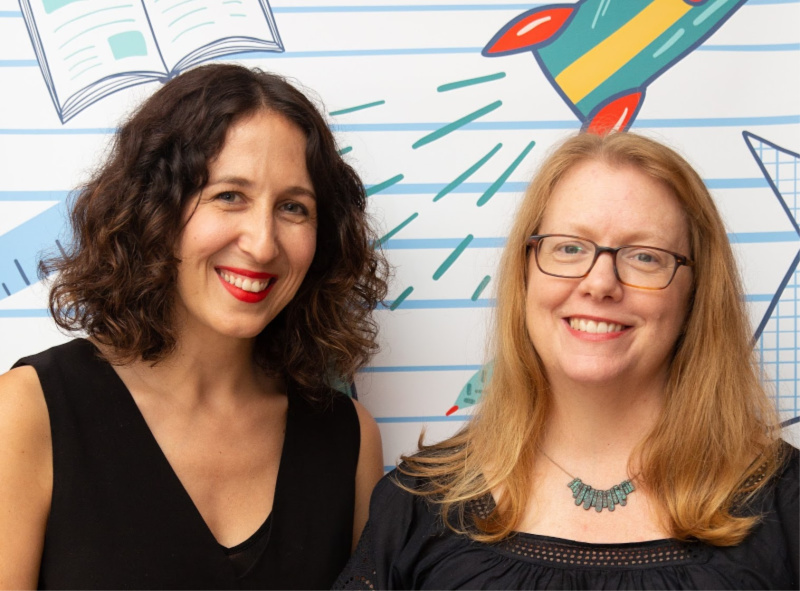
Simple motor tasks and games boost young children's executive function and cognitive skills.
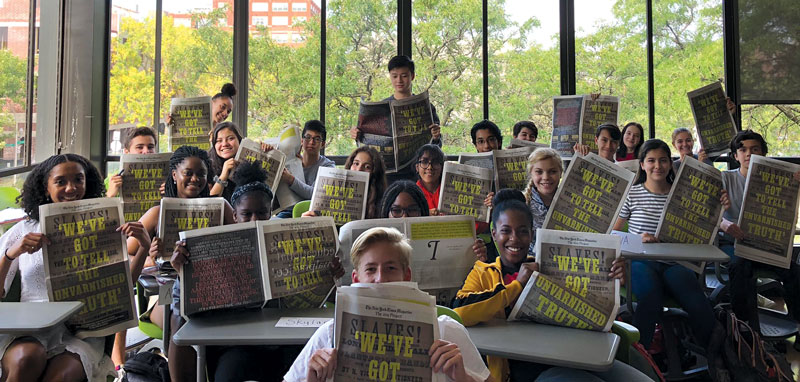
Students have traditionally accepted information in textbooks without question. But In high schools throughout the country, that's starting to change.
ALREADY A SUBSCRIBER? LOG IN
We are currently offering this content for free. Sign up now to activate your personal profile, where you can save articles for future viewing
ALREADY A SUBSCRIBER? LOG IN
Thank you for visiting.
We’ve noticed you are using a private browser. To continue, please log in or create an account.