Ideas

With schools closing across the country due to COVID-19, many school librarians are lifting checkout limits and sending students home with as many books as they want.
A wealth of information is available about the Holocaust, but many students don't know much about it. Educators supplement curricula by exploring patterns of genocide and the power of propaganda.
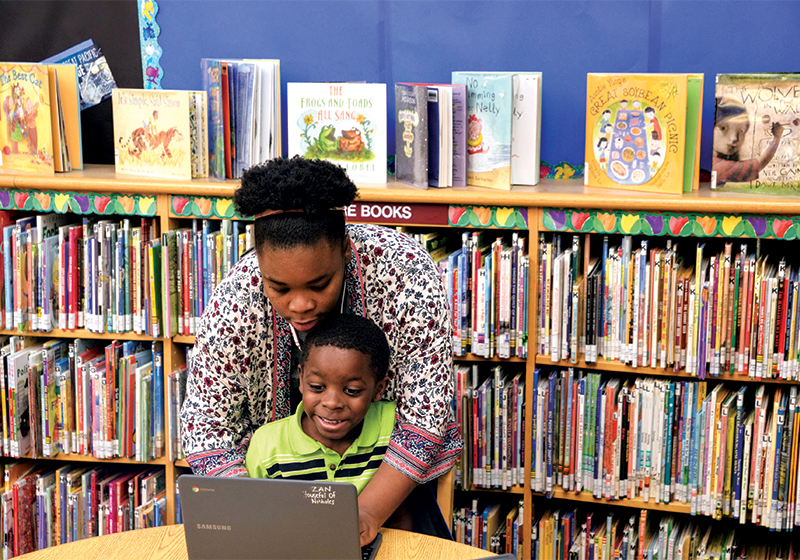
As more children and teens are taught at home, libraries are stepping up to serve them.
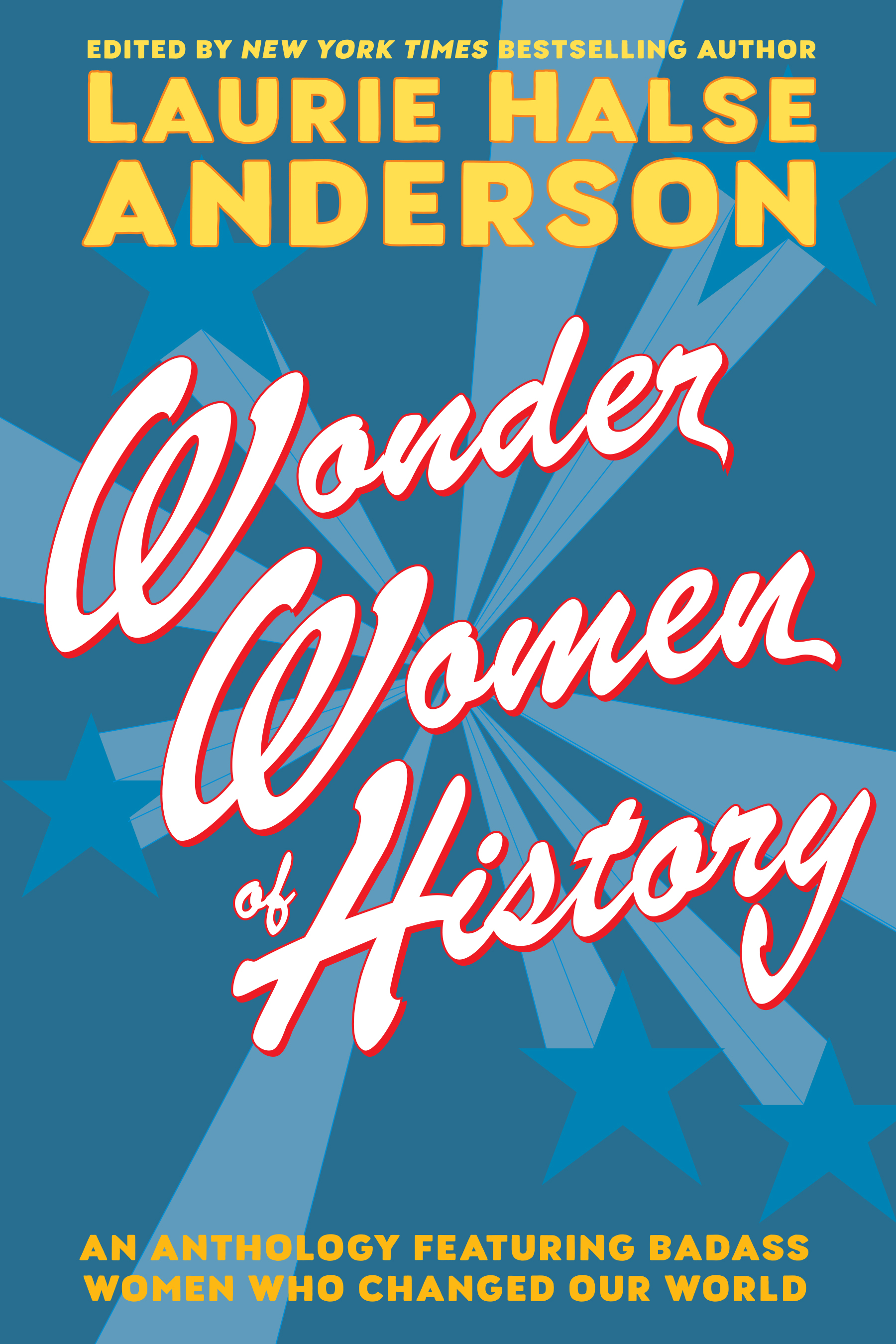
The new DC title, which will be released on December 1, will profile female public figures including Michelle Obama, Malala Yousafzai, Serena Williams, and Greta Thunberg.

Educators offer resources, information to protect staff and students from illness and xenophobic attacks, as CDC recommends schools create an online option in the event of closures.
The discussions in the spring set of free, one-hour professional development programs will tackle serving striving readers, information inequity, and news literacy.
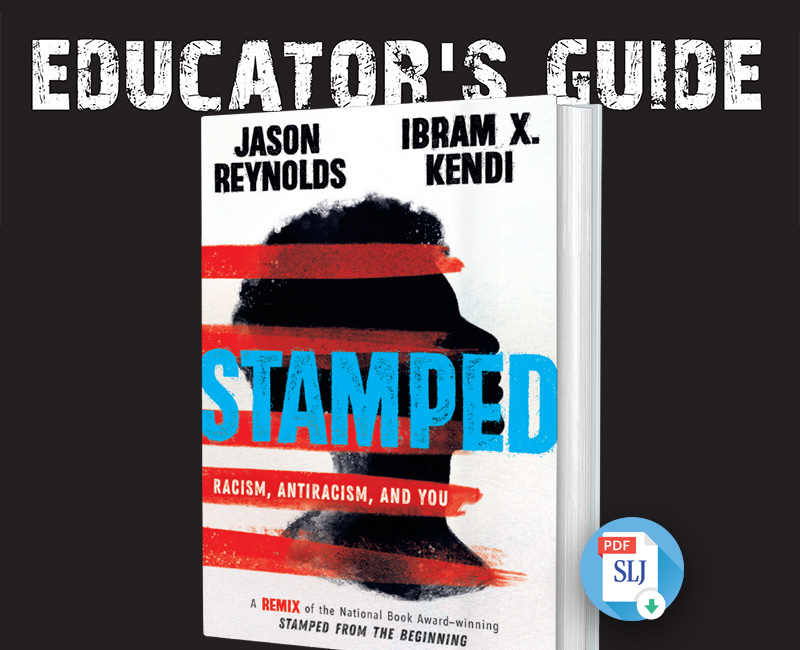
A curricular guide for Stamped: Racism, Antiracism, and You by Jason Reynolds and Ibram X. Kendi, geared for educators and students, ages 12 and up.
Strategies to help students determine determine whether a video has been altered include analyzing what motivates people to create fakes in the first place.
More U.S. librarians are using this interactive programming model, in which human "books" speak with patrons about their life experiences.
ALREADY A SUBSCRIBER? LOG IN
We are currently offering this content for free. Sign up now to activate your personal profile, where you can save articles for future viewing
ALREADY A SUBSCRIBER? LOG IN
Thank you for visiting.
We’ve noticed you are using a private browser. To continue, please log in or create an account.