Diversity
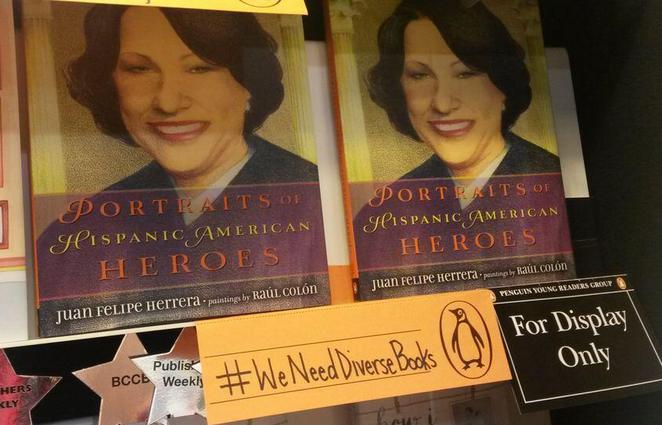
Addressing the groundswell of support for more diverse children's literature, Lee & Low publisher Jason Low spoke at the ALA Annual Conference about where the movement is now and what still needs to happen.
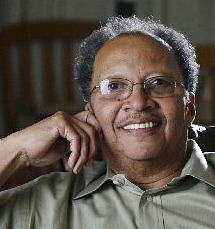
"We haven’t just lost a great author. We’ve lost a man that filled a very great need in our children’s literary landscape," writes Betsy Bird.

Increasing diversity isn’t simply the responsibility of publishers. While they should make a conscious investment in seeking diverse voices, parents have a major role in nurturing children's desire to tell their own stories.

Today’s youth gravitate to YouTube, computers, and gadgets more than books. We need more diverse audio and visual material, so kids can listen and watch on their desktops and devices.

Diverse books shouldn’t be considered special interest or shelved in a separate area, yet they are by the majority of us. I challenge all parents, caretakers, and educators to take a hard look at themselves for internalized biases that may affect the way they look at children’s books.

I admit it. I’ve said in confidence to more than one struggling African-American author: “You could always write about slavery or civil rights.” They all looked at me the same way I probably looked at the guy who told me to retreat in time and reach for a tomahawk.

Creating a blockbuster with diverse characters requires years of commitment, collaboration, and buy-in from every segment of the publishing community.
The $700 million spent by librarians annually is not just a drop in the bucket, and our collective spending power can be used to move the needle in the publishing landscape toward diverse authors, characters, and books. So what are we waiting for?

What does your neighborhood really need from you? Tips to help libraries get to know the communities that they serve, with a resource list of potential partners, literacy and early childhood organizations, and sources of demographic data.
1,309 articles
ALREADY A SUBSCRIBER? LOG IN
We are currently offering this content for free. Sign up now to activate your personal profile, where you can save articles for future viewing
ALREADY A SUBSCRIBER? LOG IN
Thank you for visiting.
We’ve noticed you are using a private browser. To continue, please log in or create an account.