Diverse Books Opinion
Spurred by recent findings by the Cooperative Children’s Book Center, the topic of diversity (or rather, lack thereof) in children’s books has been receiving a lot of attention lately. The BBC has picked up on the topic and recently ran t...

SLJ has compiled an expansive page of diversity resources—including materials on people of color, non-American cultures, LGBTQ issues, and disability—to help librarians better serve children and teens. From author interviews to collection development tools and from blogs to news coverage, these articles and reviews aim to give insight into issues that are becoming more relevant for kids each day.
Being able to easily locate LGBTQ-friendly materials for children is an important task for librarians seeking to support their diverse reading communities. Kids must be given opportunities to explore literature from multiple points of view, yet it’s sometimes challenging to meet this need, especially for grades 3–5.
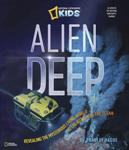
Animals with transparent guts! Fish that make their own light! An underwater bird? Booktalk audiences hungry for adventure and monsters can find both in remarkable books on marine mysteries. While the following titles are aimed at fourth grade and above, even younger readers will find the pictures irresistible.

The new Next Generation Science Standards, released last April, are performance standards, created to demonstrate not merely what students will know, but what students will know how to do. They have been written with direct connections to the Common Core. Here is a sample lesson working within both sets of standards.
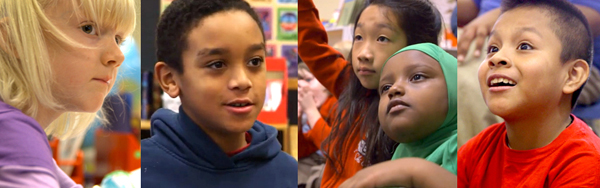
Welcoming Schools—a project of the Human Rights Campaign Foundation that provides tools and lessons to educators to stop bias and bullying in schools—is releasing a new short film and related materials for educators and parents. The film spotlights teachers in the classroom generating open conversations with students about the impact of bullying and the power of students to stop it.

While many of us have thought about the interplay of art, text, and design in picture books, few of us have considered how the same elements work in nonfiction. It's time to talk about the decisions that go into choosing and using art in nonfiction.
From social media to publishing industry-led initiatives, the call for diversity in children’s and young adult literature has steadily grown into a loud roar in the past months. As part of School Library Journal’s SummerTeen virtual conference, the “Embracing Diversity” panel featuring Karen Arthurton, Jonathan Friesen, James Klise, and Amanda Sun, led to a lively and ongoing conversation about the importance of not only publishing books for kids by and about diverse people, but also getting them in the hands of readers. SLJ spoke to industry professionals who are raising awareness on the need for different perspectives in young adult books, and compiled a list of resources to find these titles.
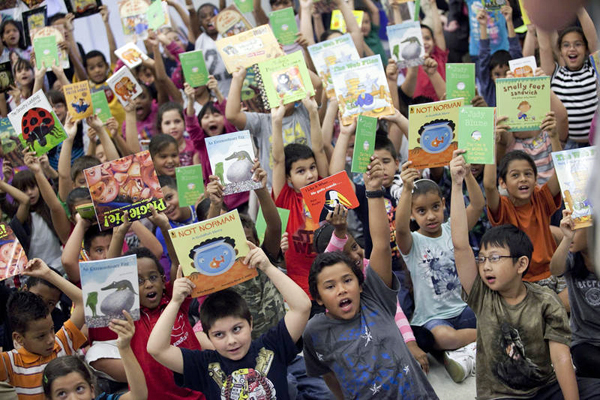
First Book has made significant strides this summer toward its new goal of dramatically expanding the market for diversity in children’s literature, its president and CEO Kyle Zimmer tells School Library Journal. Through its unprecedented launch this spring of "The Stories for All Project" and the project’s successful, gradual implementation over the past few months, First Book is now poised to lobby publishers and influence the kid lit industry like never before, Zimmer says.
825 articles
ALREADY A SUBSCRIBER? LOG IN
We are currently offering this content for free. Sign up now to activate your personal profile, where you can save articles for future viewing
ALREADY A SUBSCRIBER? LOG IN
Thank you for visiting.
We’ve noticed you are using a private browser. To continue, please log in or create an account.