Diverse Books Opinion
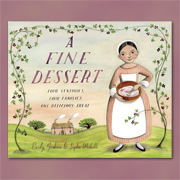
Describing her book as “racially insensitive,” author Emily Jenkins took to the web Sunday to apologize for her picture book A Fine Dessert, announcing her intent to donate her writing fee to We Need Diverse Books, which has been confirmed by the organization.

From teaching social skills to offering internships, libraries provide support.

Blogger and librarian Debbie Reese shares works for young adults by and about Native Americans that should be read, displayed, and celebrated in every collection, including graphic novels and the latest by Lisa Charleyboy and Mary Beth Leatherdale.

While young adult literature is finally seeing more trans* protagonists, very few can be categorized as genderfluid or nonbinary. SLJ caught up with Robin Talley to discuss her inspiration for What We Left Behind, the books she wished had existed when she was in high school, and what she’s working on next.
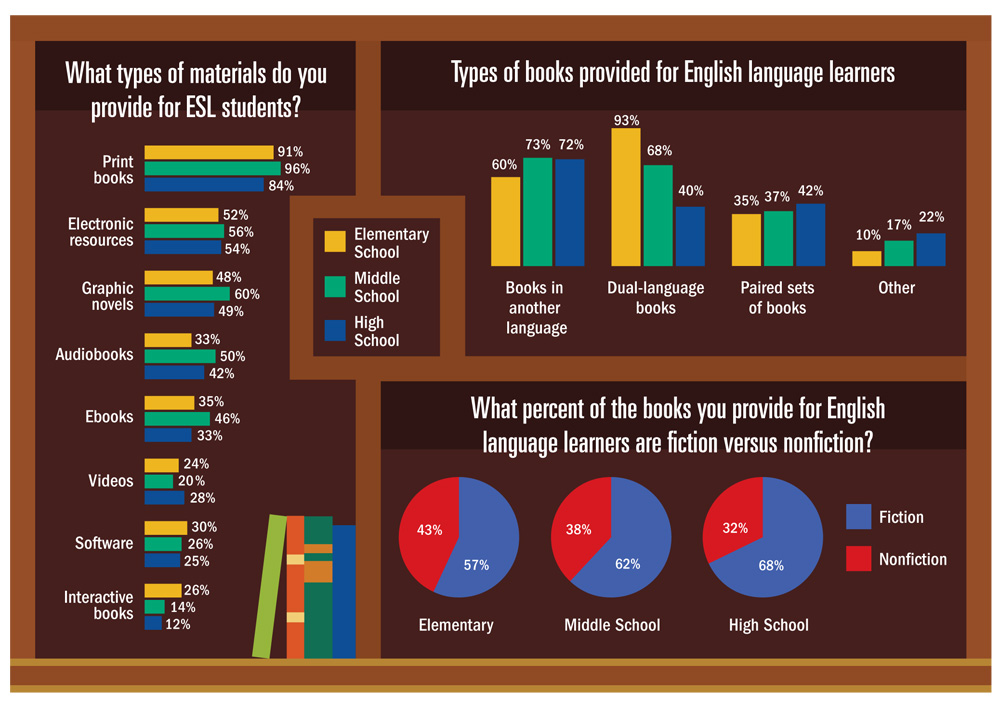
Technology may be transforming the way people learn a second language—but not in K–12 schools. Instead, librarians and teachers still prefer to use print books to support their English language learners (ELL), according to a survey by SLJ and Rourke Educational Media.
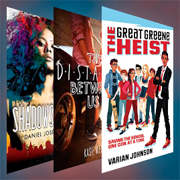
Librarian Julie Stivers presents diverse and underappreciated titles that should be celebrated during YALSA's Teen Read Week (October 18–24), including Varian Johnson's The Great Greene Heist and Polly Holyoke's The Neptune Project.

Guest columnist Alexandra Gomez rounds up distributors offering Spanish-language and bilingual materials with highlights from their recent titles.
Is there a correlation between the Common Core recommended reading lists and challenges to diverse books? Emily Knox, assistant professor at the University of Illinois, is planning a related study.

Terms of the pending three-year, $30 million deal between the retail giant and the New York City Department of Education for e-materials are being revised after the National Federation of the Blind said that the technology would not adequately serve blind students.
825 articles
ALREADY A SUBSCRIBER? LOG IN
We are currently offering this content for free. Sign up now to activate your personal profile, where you can save articles for future viewing
ALREADY A SUBSCRIBER? LOG IN
Thank you for visiting.
We’ve noticed you are using a private browser. To continue, please log in or create an account.