Classroom
School library consultant Jennifer Maurer of the Oregon State Library tapped these resources for its public libraries—targeted at critical partners in children’s education: their parents.
While offering educators tried-and-true resources that respond to the CCSS mandate for "content-rich nonfiction that builds knowledge,” the ambitious Student Achievement Partners (SAP) also opens a door to collaboration.

Despite the vast array of publishing materials geared toward the Common Core State Standards, educators still seek support—and time to adapt
While educators grapple with the Common Core State Standards, school librarians are finding aspects to celebrate. To start? Their jobs, and their important role in supporting teachers and students through this transition.

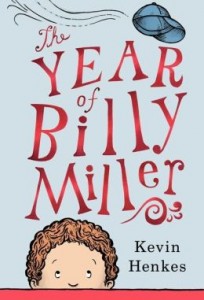
The results are in. Four Honor books were recently selected by American Library Association. With great kid appeal for students in grades two to nine, these books also meet classroom learning standards. Check out the following booktalks and resources for these acclaimed titles.

How do different readers approach nonfiction? What are their expectations? What engages them? What trips them up? And, what's important when evaluating these texts? Must we approach each book with a checklist? Marc Aronson considers these questions.
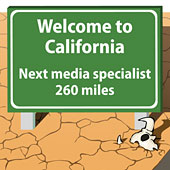
New data confirming a 1:7,000 ratio of media specialists to students has the California School Library Association rallying for big advocacy. Key to those efforts will be the support of universities, who can help publicize that students’ college readiness is suffering without information literacy experts at every school.

The Oklahoma-Texas oil boom of the early 1900s created fortunes for many landowners, including an 11-year-old girl named Sarah Rector. Her fascinating story is told here by Tonya Bolden.
1,597 articles
ALREADY A SUBSCRIBER? LOG IN
We are currently offering this content for free. Sign up now to activate your personal profile, where you can save articles for future viewing
ALREADY A SUBSCRIBER? LOG IN
Thank you for visiting.
We’ve noticed you are using a private browser. To continue, please log in or create an account.