Classroom
Want to keep kids occupied and reading all summer? Share these craft and activity books with them. In addition to offering an outlet for creativity, they'll have children working with numbers and decoding and interpreting diagrams and symbols. The books also make excellent resources for adults leading summer programs and year-round groups.

When it comes to school libraries, Richard L. Allington, co-author of 'Summer Reading: Closing the Rich/Poor Achievement Gap' has a few things to say, including a few that you may not want to hear.
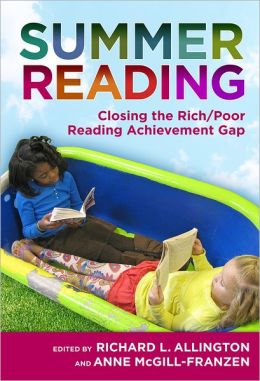
The significant decline in reading skills many students experience over the summer is no secret, but it’s particularly damaging for children in low-income neighborhoods. 'Summer Reading: Closing the Rich/Poor Reading Achievement Gap,' edited by Richard L. Allington and Anne McGill-Franzen, offers an in-depth look at this disparity and offers solutions that go beyond recommended reading lists.

How can we use the summer to provide kids with more opportunities to grow confident as nonfiction readers? The authors offer suggestions and recommend a few reading lists to share with students.

What lies ahead for teachers and librarians just embarking on the Common Core journey? Marc Aronson shares his thoughts and insights.
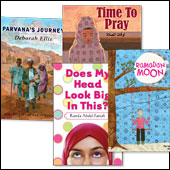
Published in SLJ’s October 2010 print issue, but still relevant today, the following article highlights resources that classroom teachers, librarians, and parents can use to broaden children’s worldview and prompt discussions about current events and news.
The Plantagenets: The Warrior Kings and Queens Who Made England by Dan Jones. Viking. 2013. Reviewed from ARC from publisher. Vacation reads (aka, when I talk about books for grownups and post them before holidays.) It’s About: The designated heir of England dies in a shipwreck; England is plunged into civil war as descendants of [...]

Education buzzwords—whole language, multiple intelligences—come and go, but 45 states chose to adopt the Common Core Learning Standards. The questions educators now face are what types of instruction help students develop these skills? And how do librarians insert themselves into these critical discussions?
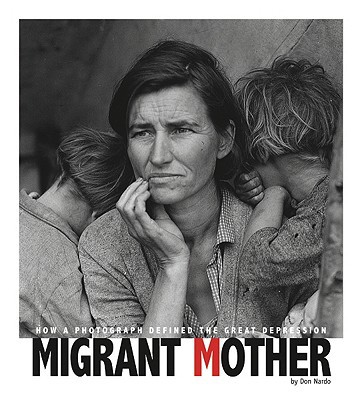
The focus on the close reading of texts suggests a new idea to SLJ's columnist—an idea that taps librarians' expertise and offers an exciting approach to inquiry.
1,572 articles
ALREADY A SUBSCRIBER? LOG IN
We are currently offering this content for free. Sign up now to activate your personal profile, where you can save articles for future viewing
ALREADY A SUBSCRIBER? LOG IN
Thank you for visiting.
We’ve noticed you are using a private browser. To continue, please log in or create an account.