Classroom & Curricula

Authors of nonfiction for young readers model specific writing styles and techniques that demonstrate a command of the written word, engage and hook readers, and help to explain and contextualize important concepts.
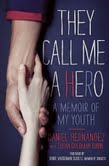
By the time students reach grade 12, the Common Core State Standards require that 70% of their reading should be nonfiction. In order to fulfill this requirement in content area subjects, students will need to read more than their textbooks. Luckily, nonfiction writers for teens continue to create amazing narrative nonfiction that supports science and social studies, and that our kids will want to read.

In the fifth and final installment of our series celebrating National Poetry Month, Jack Prelutsky, America’s first children’s poet laureate, offers us five of his top poetry collections for kids.

In our next installment celebrating National Poetry Month, acclaimed and versatile author Marilyn Singer highlights five of her top poetry anthologies for kids.
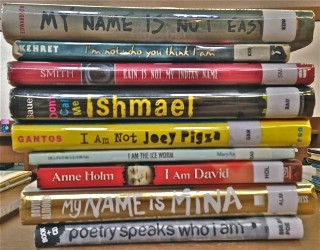
April is National Poetry Month, and SLJ has compiled a list of tools and creative ideas for celebrating. From poetry slam best practices to Common Core curriculum connections, this roundup is chock-full of ways to approach the poetic form with kids all year long.

What resources do librarians have in their collections that meet the goals of the Common Core initiative? How will the Common Core State Standards influence the decisions school and public librarians will be making as they continue to develop their collections? What specifically should educators be looking for in the resources they select? Join Kathleen Odean, librarian, speaker, reviewer, university instructor, and the author of guides to children's titles as she discusses the books that engage children and meet the goals of the CCSS. Archive now available!

In honor of National Poetry Month, acclaimed poet and artist Douglas Florian shares his favorite poetry books for children.

In adopting the Common Core State Standards, U. S. educators are part of a larger educational reform movement. From England to Japan countries around the world are debating a national curricula. Why are so many nations considering one? And where does the impetus to do so come from? Marc Aronson ponders these questions in his latest Consider the Source column.
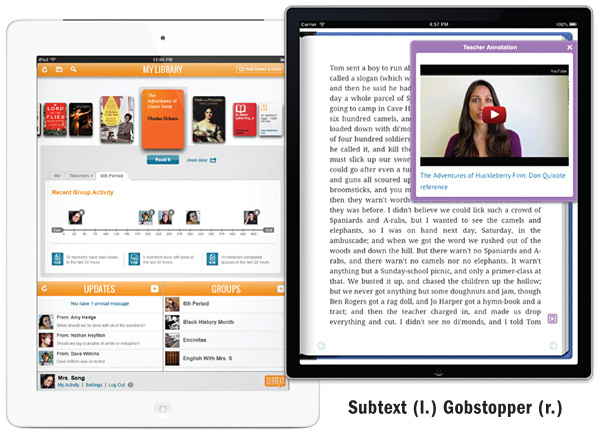
The ability for teachers and students to embed their own content into digital texts, write notes, and get feedback on student reading—classroom reading just got a lot more dynamic. SLJ columnist Jeff Hastings test driives Gobstopper and Subtext.
1,179 articles
ALREADY A SUBSCRIBER? LOG IN
We are currently offering this content for free. Sign up now to activate your personal profile, where you can save articles for future viewing
ALREADY A SUBSCRIBER? LOG IN
Thank you for visiting.
We’ve noticed you are using a private browser. To continue, please log in or create an account.