Classroom & Curricula

Not only did the 1963 assassination of President John F. Kennedy send a shock wave through the country, it was the first time the public watched on-air television coverage of an historic event as it unfolded. Fifty years later, today's students can learn about the president's life, death, and legacy through a number of quality books and online resources.
Although the U.S. federal shutdown means many important government websites—such as those for the Library of Congress and NASA—have gone completely dark this week, the nonprofit Internet Archive is making those sites available to the public through archived captures, the organization has announced on its blog.

Join the National Council of Teachers of English (NCTE) November 21-24 in Boston for its 2013 Annual Convention! “(Re) Inventing the Future of English” is the theme for the event, which will offer teachers, librarians, administrators, curriculum coordinators, teacher educators, literacy coaches, reading specialists, and others more than 700 sessions, The topics range from general sessions featuring popular speakers and special presentations with well-known authors to sessions by classroom educators and full-day workshops that allow more in-depth exploration of a topic.
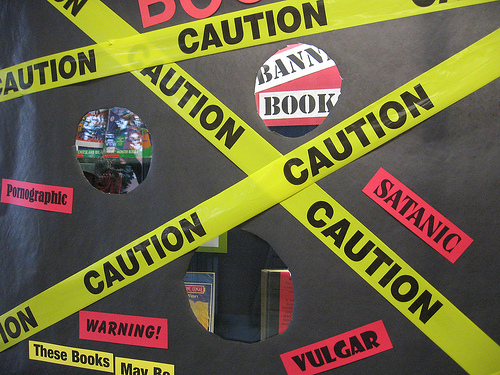
Fighting censorship and limited access to materials is an integral part of a librarian’s mission and job description. Launched in 1982, Banned Books Week is the national book community's annual celebration of the freedom to read. More than 11,300 books have been challenged since then. The following is a selection of SLJ’s news coverage of challenged books, interviews with oft-banned authors, and tools for showcasing censored titles during Banned Books Week, and all year.
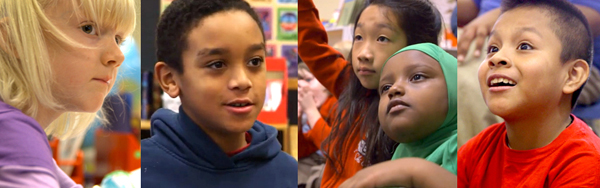
Welcoming Schools—a project of the Human Rights Campaign Foundation that provides tools and lessons to educators to stop bias and bullying in schools—is releasing a new short film and related materials for educators and parents. The film spotlights teachers in the classroom generating open conversations with students about the impact of bullying and the power of students to stop it.

While many of us have thought about the interplay of art, text, and design in picture books, few of us have considered how the same elements work in nonfiction. It's time to talk about the decisions that go into choosing and using art in nonfiction.
From social media to publishing industry-led initiatives, the call for diversity in children’s and young adult literature has steadily grown into a loud roar in the past months. As part of School Library Journal’s SummerTeen virtual conference, the “Embracing Diversity” panel featuring Karen Arthurton, Jonathan Friesen, James Klise, and Amanda Sun, led to a lively and ongoing conversation about the importance of not only publishing books for kids by and about diverse people, but also getting them in the hands of readers. SLJ spoke to industry professionals who are raising awareness on the need for different perspectives in young adult books, and compiled a list of resources to find these titles.

Pulled from SLJ archives, here is a PDF of our original news coverage about the fateful day that the World Trade Center and Pentagon were attacked by terrorists. Librarians in the New York City and Washington, DC areas rose to the challenge of serving their students and patrons amidst the chaos and confusion of the tragic event. Andrea Glick's "Responding to Terror: School Librarians in NYC and DC Cope with Frightened Students," appeared in SLJ's October 2001 print issue and online the previous month.
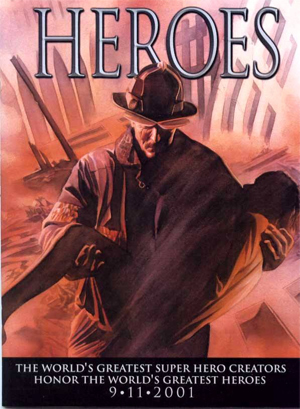
September 11 marks a difficult anniversary. To help children’s and young adult librarians navigate the challenging teachable moments that the day might raise and to guide those librarians working in universities and public libraries to address the potential research needs of their patrons, our editors have compiled these resources.
1,172 articles
ALREADY A SUBSCRIBER? LOG IN
We are currently offering this content for free. Sign up now to activate your personal profile, where you can save articles for future viewing
ALREADY A SUBSCRIBER? LOG IN
Thank you for visiting.
We’ve noticed you are using a private browser. To continue, please log in or create an account.