Censorship

This 'shocking and unprecedented case of self-censorship' was, in fact, an editorial decision. The publishing industry makes thousands of them every day. They happen in response to many factors, including outside pressure, personal bias, and money. This decision happened after many voices were raised opposing the book, led by Black Lives Matter activist Leslie Mac.

Withdrawing a book from circulation—which makes it disappear as effectively as burning—is a dangerous course. The book is gone. By the same logic, other books will also disappear, or never be written. But there’s another compelling cause for concern: Censorship often works against those who are the most marginalized—historically, women, minorities, and dissidents.

Despite complaints from a contingent of parents about a photo of a gun on the cover, the New York City Department of Education has no plans to remove Jason Reynolds's YA novel from lists of suggested reading material for seventh and eighth graders.
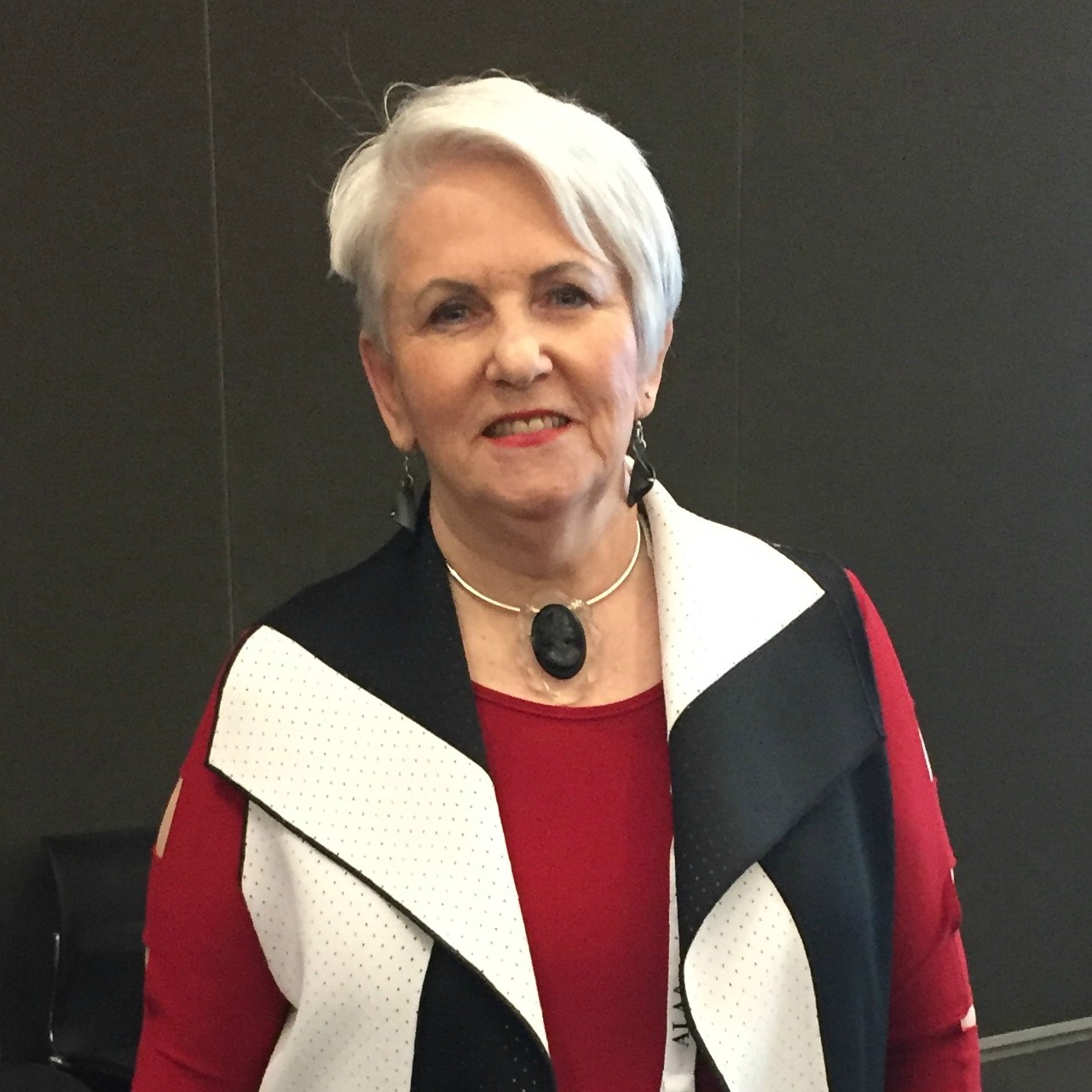
Pat Scales, School Library Journal's Scales on Censorship columnist, has been named this year's Distinguished Service Award recipient by the Association for Library Service to Children.

Censorship expert Pat Scales offers guidance on helping competitive readers find their own thing, balancing the responsibility to protect privacy, and orienting new teachers to the role of the library.
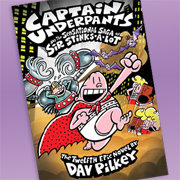
The 12th "Captain Underpants" novel will only be available to school kids in Monroe, MI, if they specifically order it. It is not in the school library or at book fairs.
Your clicks have spoken! The following are the top 10 pieces that ran in the SLJTeen newsletter this year.

After book challenges by a local parents group this summer, a southern Florida school district gives parents online access to see what their children are checking out of the media center.

In the library, adversity comes in many forms: a community persevering during unrest; a challenge to readers’ rights, and sometimes, in the form of bureaucracy.
661 articles
ALREADY A SUBSCRIBER? LOG IN
We are currently offering this content for free. Sign up now to activate your personal profile, where you can save articles for future viewing
ALREADY A SUBSCRIBER? LOG IN
Thank you for visiting.
We’ve noticed you are using a private browser. To continue, please log in or create an account.