Budgets & Funding

On July 11, a big E-Rate vote for Wi-Fi funding for schools and libraries is coming up. The latest FCC proposal states that libraries' Wi-Fi funding be determined by a space's square footage—$1 per square foot. With $2 billion at stake, librarians across the country are objecting to this funding formula with claims that it doesn't serve high-need urban libraries where square footage does not represent the number of visitors.

The Urban School Food Alliance is bringing greener choices to our schools, starting with the replacement of foam trays used in cafeterias with an affordable, compostable alternative.

As part of ongoing effort to provide schools and libraries tools in assessing and improving connectivity, an education technology advocacy group releases e-rate guideline.

New York libraries are facing close to a five percent budget cut with just $81.6 million allocated in Gov. Andrew M. Cuomo’s executive budget—down from the $85.62 million granted to libraries last year.

Here are our latest briefs on a digital publishing mini-MOOC, free Mackin ebook bundles, Qlovi’s Common Core platform, an archived copyright tweetchat, Multicultural Children’s Book Day, Philadelphia’s Year of the Bard, the E-Rate filing window, and the NAACP Image Awards.

The Education Library Networks Coalition—which includes the American Library Association and the International Society for Technology in Education—is calling on the Federal Communications Commission to double the funding for E-rate, according to EdLiNC’s co-chair Jon Bernstein. The coalition also asks that the E-rate program offer more “scalable” goals for local entities, with limited national mandates.

The American Library Association on Monday asked the Federal Communications Commission to accelerate the goals of E-rate, the program that provides discounted Internet access and telecommunications services to U.S. schools and libraries. ALA’s statement specifically calls for faster deployment of high-capacity broadband and new strategic investments in infrastructure, as well as program changes to save costs and streamline the process so that more schools and libraries can participate in the program.
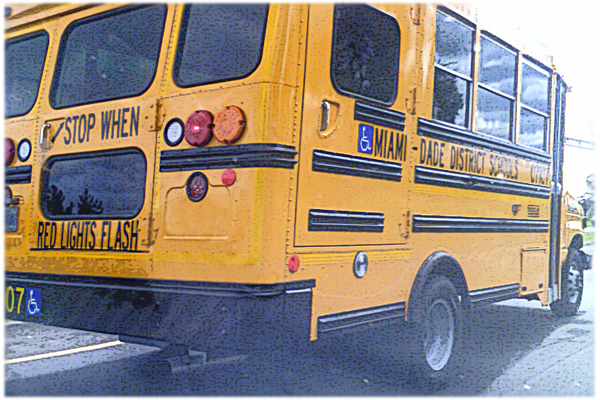
Draconian cuts to Miami public libraries—nearly 45 percent of its branches shuttered and more than 250 staff positions—lost stand to impact the community. The intended cuts pose a monumental loss of service to Miami’s K–12 students, as some of the public libraries slotted to shut down are close to Miami-Dade County public schools.

Linda Lord, Maine’s state librarian, represented the nation’s 16,400 public libraries Wednesday in her call to Congress to provide a “proactive vision for meeting the educational and learning needs of our communities for the next 15 years and beyond.” Her testimony—at a hearing of the U.S. Senate Committee on Commerce, Science and Transportation—also detailed the success of the E-rate program in helping serve more than 30 million people every week.
138 articles
ALREADY A SUBSCRIBER? LOG IN
We are currently offering this content for free. Sign up now to activate your personal profile, where you can save articles for future viewing
ALREADY A SUBSCRIBER? LOG IN
Thank you for visiting.
We’ve noticed you are using a private browser. To continue, please log in or create an account.