Advocacy

One of the most common buzzwords in librarianship today is ‘outcomes.’ The measuring metrics of libraries’ impact is shifting from measuring the outputs─like circulation or visits─ toward the impact of those activities on the lives of patrons.

As part of ongoing effort to provide schools and libraries tools in assessing and improving connectivity, an education technology advocacy group releases e-rate guideline.

In anticipation of the live event with New York Times bestselling author of Thirteen Reasons Why on March 3, SLJ caught up with Jay Asher to chat about his work and inspiration for the popular YA novel.
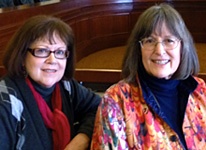
Utah’s school libraries are one step closer to getting a $500,000 infusion for new books, materials and electronic resources for the 2014-2015 school year. Even so, advocates are still pushing for funds—and increased awareness of school libraries.

James Patterson’s print editorial “My Say: Man on a Mission” and its online version, “Let’s Save Reading—and School Libraries” continues to create a stir. His challenge to “embark on a crusade to get kids reading more books” has generated dozens of ideas. Here are a few of our favorites.
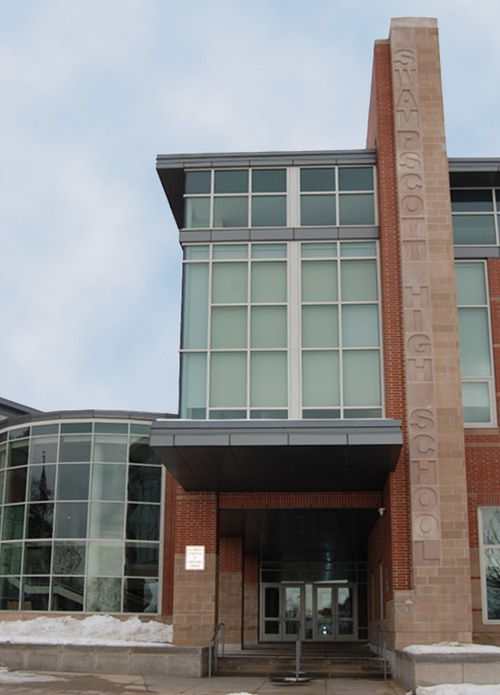
Parent and school library volunteer Melissa DeFilippi started a district-wide movement in Swampscott, MA, that’s leading to restored librarians in the middle and high school and a new cataloging system for three elementary schools.
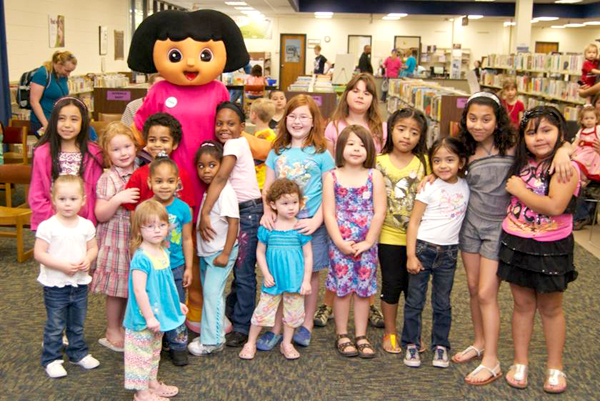
The results of a pilot study of Missouri’s Mid-Continent Public Library (MCPL) suggest that summer reading programs actually raise student reading levels by their return to school in the fall—particularly among at-risk kids.

This May, SLJ will dedicate an entire issue of the magazine to the topic of diversity in various forms.

When President Obama called for universal pre–K programs in his State of the Union address last week, he created a chance for librarians to be part of this picture. Now that there’s a federal initiative for pre–K, we need to prove our vital role in educating young children.
446 articles
ALREADY A SUBSCRIBER? LOG IN
We are currently offering this content for free. Sign up now to activate your personal profile, where you can save articles for future viewing
ALREADY A SUBSCRIBER? LOG IN
Thank you for visiting.
We’ve noticed you are using a private browser. To continue, please log in or create an account.