



2018 School Spending Survey Report
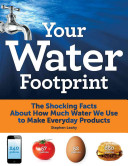
Your Water Footprint: The Shocking Facts About How Much Water We Use To Make Everyday Products
144p. further reading. index. maps. notes. photos. websites. Firefly. 2014. Tr $35. ISBN 9781770854994; pap. $19.95. ISBN 9781770852952.
COPY ISBN
 Gr 4–8—With exceptionally clear and informative prose and an abundance of well-designed infographics, this book presents the shocking facts about our water usage. Quite simply, we are using too much water in our everyday lives and this consumption cannot be sustained. Consider, as Leahy points out, that it takes 634 gallons of water to produce a single cheeseburger or 660 gallons of water to produce one cotton shirt. This title provides an impressive amount of data, making the issue of water use concrete and inescapable. Leahy helps readers understand the nature of the problem by highlighting what is important to know about our global, national, and local water consumption and why; explaining the significance of concepts such as water footprint (or the amount of water it takes to produce the goods and services consumed by an individual or community); emphasizing noteworthy ideas; and providing suggestions for making wise choices. To assist readers in becoming informed decision-makers, the text and infographics work together to describe the scope of the problem by providing information about water consumption at home, in our foods, and in farming and manufacturing. The urgency of the situation is emphasized, but so, too, are the steps readers can take to address the crisis. This is an exemplary book for focusing on Common Core standards that emphasize the integration of text and graphics in both reading and writing. Pair this book with Paul Fleischman's Eyes Wide Open (Candlewick, 2014) to enlighten readers further about urgent water and ecology issues.—Myra Zarnowski, City University of New York
ALREADY A SUBSCRIBER? LOG IN
We are currently offering this content for free. Sign up now to activate your personal profile, where you can save articles for future viewing
ALREADY A SUBSCRIBER? LOG IN
Thank you for visiting.
We’ve noticed you are using a private browser. To continue, please log in or create an account.

Be the first reader to comment.
Comment Policy:
Comment should not be empty !!!