

2018 School Spending Survey Report
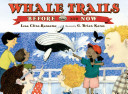
Whale Trails, Before and Now
illus. by G. Brian Karas. 40p. further reading. glossary. Henry Holt/Christy Ottaviano Bks. Jan. 2015. Tr $17.99. ISBN 9780805096422.
COPY ISBN
A young African American girl narrates New England whaling history
by contrasting the mission and quality of life for whalers of times
past with a trip aboard her father's whale-watching ship. Karas's
detailed illustrations inform flashback scenes with sepia tones
while maintaining visual connections to the present day. An
intriguing first introduction to whaling, with an informative
author's note. Reading list, websites. Glos.
ALREADY A SUBSCRIBER? LOG IN
We are currently offering this content for free. Sign up now to activate your personal profile, where you can save articles for future viewing
ALREADY A SUBSCRIBER? LOG IN
Thank you for visiting.
We’ve noticed you are using a private browser. To continue, please log in or create an account.

Be the first reader to comment.
Comment Policy:
Comment should not be empty !!!