

2018 School Spending Survey Report
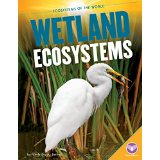
Wetland Ecosystems
9781624038587.
ea vol: 48p. (Ecosystems of the World). diags. further reading. glossary. index. photos. websites. ABDO. 2015. lib. ed. $32.79. ebk. $32.79.
COPY ISBN
VERDICT The set may provide starting points for research but won't generate much enthusiasm for the subjects.
An anecdote followed by an accessible definition begins each book; subsequent chapters cover each ecosystem's special features, plants, animals, relation to people, and future. Despite a dull template, the books explain their topics clearly and extend understanding via sidebars of further material and questions. Captioned photos and diagrams illustrate the texts. There are four other fall 2015 books in this series. Reading list. Glos., ind. Review covers these Ecosystems of the World titles: Wetland Ecosystems, Woodland Forest Ecosystems, Coral Reef Ecosystems, and Grassland Ecosystems.
ALREADY A SUBSCRIBER? LOG IN
We are currently offering this content for free. Sign up now to activate your personal profile, where you can save articles for future viewing
ALREADY A SUBSCRIBER? LOG IN
Thank you for visiting.
We’ve noticed you are using a private browser. To continue, please log in or create an account.

Be the first reader to comment.
Comment Policy:
Comment should not be empty !!!