

2018 School Spending Survey Report
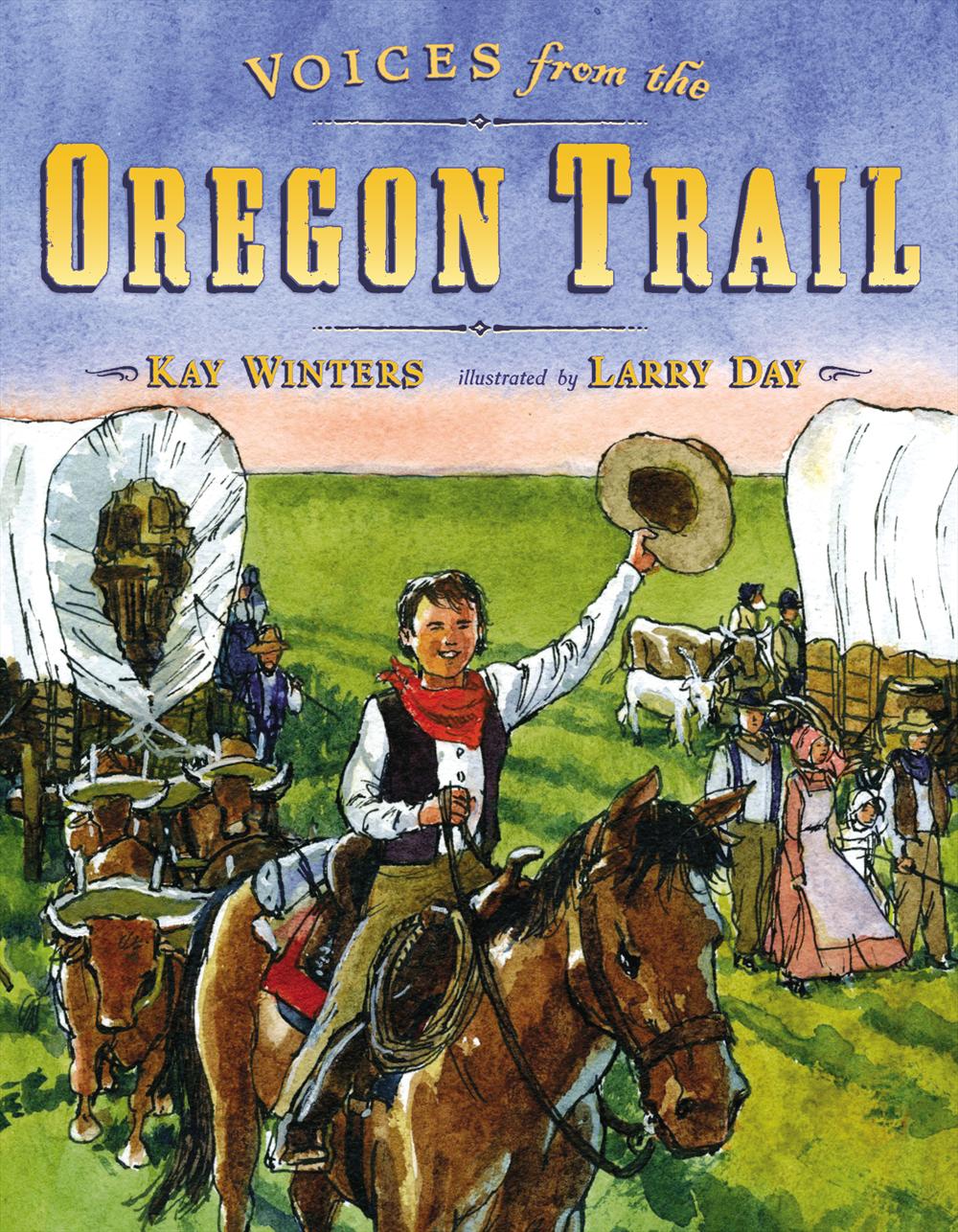
Voices from the Oregon Trail
illus. by Larry Day. 48p. ebook available. Dial. Feb. 2014. Tr $17.99. ISBN 9780803737754. LC 201300034.
COPY ISBN
One-page free-verse monologues describe perilous conditions, experiences (a wedding, a birth, several deaths), and a persevering determination to soldier on. Pen-and-ink and earth-toned watercolor illustrations offer a personalized view of the era, while the first-person accounts provide a glimpse into the hardships and joy of the journey from multiple perspectives, pioneer and Native American. Historical notes are appended. Reading list.
ALREADY A SUBSCRIBER? LOG IN
We are currently offering this content for free. Sign up now to activate your personal profile, where you can save articles for future viewing
ALREADY A SUBSCRIBER? LOG IN
Thank you for visiting.
We’ve noticed you are using a private browser. To continue, please log in or create an account.

Be the first reader to comment.
Comment Policy:
Comment should not be empty !!!