


2018 School Spending Survey Report
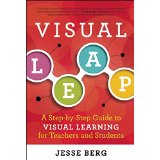
Visual Leap: A Step-by-Step Guide to Visual Learning for Teachers and Students
246p. diags. further reading. index. notes. websites. Bibliomotion/Lamprey & Lee. 2015. Tr $24.95. ISBN 9781942108078.
COPY ISBN
VERDICT Teachers and students will find unique learning and teaching strategies well worth considering.

Added To Cart
RELATED
ALREADY A SUBSCRIBER? LOG IN
We are currently offering this content for free. Sign up now to activate your personal profile, where you can save articles for future viewing
ALREADY A SUBSCRIBER? LOG IN
Thank you for visiting.
We’ve noticed you are using a private browser. To continue, please log in or create an account.

Be the first reader to comment.
Comment Policy:
Comment should not be empty !!!