
FICTION

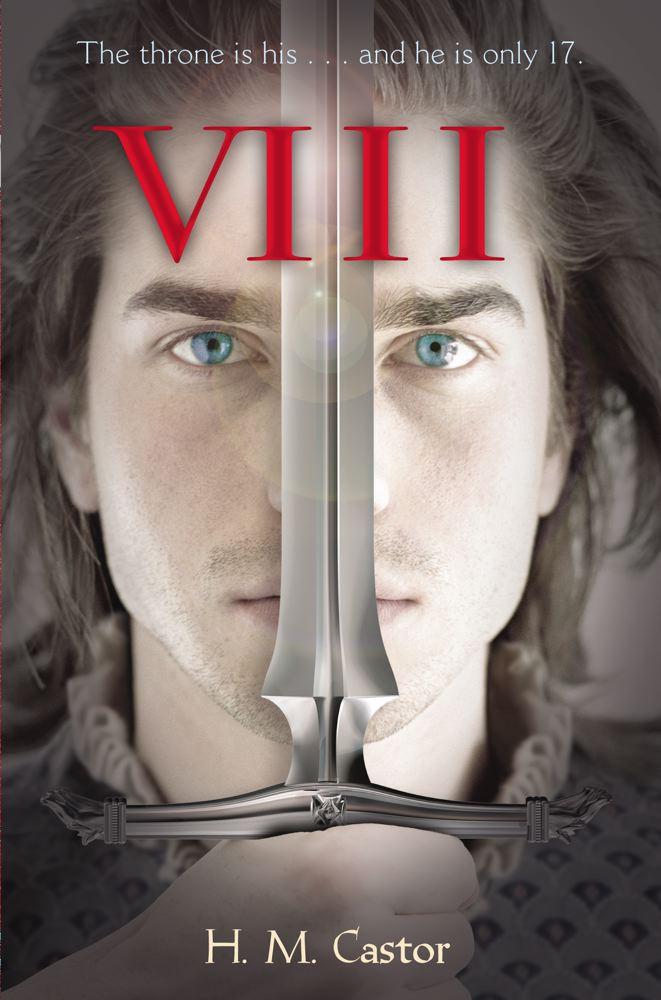
VIII

422p. chart. S & S. 2013. Tr $17.99. ISBN 9781442474185. ebook available.
COPY ISBN
Gr 8 Up—This biographical and psychological portrayal of one of England's most notorious rulers is a meaty read for Tudor history fans and general audiences alike. Prince Hal is repeatedly reminded, especially by his father, that nothing grand is expected of him, because he is the "spare" son. This spurs him into believing that he is destined for greatness, believing in a prophecy that he is fated to rule England. When his brother, Arthur, suddenly dies, Hal clashes even more with his father; when he informs his father that he believes in compassionate and visible signs of leadership, he is mocked by the monarch. Upon his succession, Hal's obsession with regaining France and having an abundance of sons causes him to negate marriage after marriage, either through execution or dissolution. Even though Henry VIII's actions are depressingly familiar, Castor presents each event with surprisingly freshness. The author artfully depicts the descent of Hal's childhood idealism and gentle character into the better-known cruel and despotic nature of Henry VIII. Too often, historical fiction is overwrought with florid description and exposition, but Castor consistently and evenly balances description, dialogue, and action. Necessary information about England's pre-Tudor past is easily incorporated into the narrative. Characters, even secondary ones, are fully realized. A faithful depiction of dialogue is sacrificed for more modern speech, but it is never distracting or awkwardly out of place. This is a satisfying and engrossing portrayal of an incredible personality.—Jennifer Schultz, Fauquier County Public Library, Warrenton, VA
This fascinating psychological profile of Henry VIII encompasses his life from boyhood to deathbed. Over the course of the novel, H. M. Castor skillfully changes Henry’s narrative voice to reflect his expanding knowledge and experiences. Henry’s first-person point of view briskly moves the story along and provides immediacy: “As we pass a monstrous lump of a building, the mist thickens in what looks to me like a human shape, crouching at the corner of the wall. My heart’s in my throat. Do I yell to my mother? Scream to the guard? But then the shape rolls and thins and vanishes into the black air. Just mist—no assassin. I can breathe again.” Offers insight into political machinations and scandals of the time period, including the murder of the Princes in the Tower, the alliances and enmity between Britain and Spain, and the king’s break with the Catholic Church. As Henry ages, he experiences not only mental and physical decline but also a sense that time is passing more quickly. The book’s structure cleverly mimics Henry’s feelings, with progressively shorter passages covering greater spans of time.

Be the first reader to comment.

Comment Policy:
  • Be respectful, and do not attack the author, people mentioned in the article, or other commenters. Take on the idea, not the messenger.
  • Don't use obscene, profane, or vulgar language.
  • Stay on point. Comments that stray from the topic at hand may be deleted.
  • Comments may be republished in print, online, or other forms of media.
  • If you see something objectionable, please let us know. Once a comment has been flagged, a staff member will investigate.


RELATED 

ALREADY A SUBSCRIBER?

We are currently offering this content for free. Sign up now to activate your personal profile, where you can save articles for future viewing

ALREADY A SUBSCRIBER?