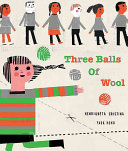

Gr 2–4— Loosely inspired by the experiences of real families fleeing dictatorship only to find continued oppression under Communism, this modern fable presents a hopeful twist by showing how art can inspire hope and change. The first person narration is direct, balancing a child's understanding with the heavy topic. "My parents worried so much that lines appeared on their foreheads. They said words I didn't understand. Words they whispered to each other, like: 'Ignorance.' 'Fear.' 'War.' 'Prison.' One day I heard them say, 'Exile.' The line on my father's forehead deepened. The next day we left before dawn." The family is pleased by the cleanliness and orderliness of life in their new country. But they soon notice that the only clothing options for children are gray, green, or orange sweaters. Mother begins to worry again as she sees children marching to school in an almost military formation with the same colors. Working with what's available, Mother hatches her plan. Unraveling sweaters for yarn, she recombines the colors in wild patterns—stripes, zigzags, and squares. Others are inspired, and by spring the whole community has come together to create and share their wonderful variations. The blocky graphic illustrations limit the palette to orange, gray, green, and black, with a rosy pink for some characters' skin (others are orange or white), and incorporate symbols that can be found in a knitting pattern, creating lovely cohesion between plot and art.
VERDICT A good choice to provoke discussion about freedom and oppression with older readers.
Be the first reader to comment.
Comment Policy:
Comment should not be empty !!!