



2018 School Spending Survey Report
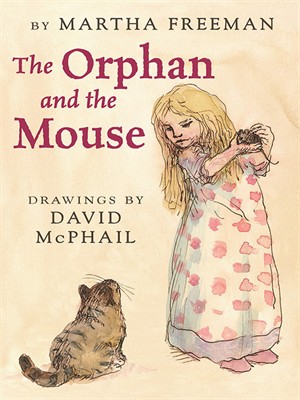
The Orphan and the Mouse
illus. by David McPhail. 224p. Holiday House. Oct. 2014. Tr $16.95. ISBN 9780823431670; ebk. $16.95. ISBN 9780823432592.
COPY ISBN
Caro resides in an orphanage under the command of manipulative Mrs. George. Mouse Mary lives in a mouse community led by corrupt Director Randolph. Their stories merge in a crime narrative involving the exposure of Mrs. George's baby-napping ring. Nods to Stuart Little, The Wind in the Willows, and The Borrowers; well-drawn secondary characters; and expressive black-and-white illustrations round out this satisfying package.
The orphan in question is Caro. Disabled and with a tragic backstory, she resides in an orphanage under the command of the cold, manipulative Mrs. George. The threat? Banishment to an even worse facility. The mouse is the competent Mary, also a resident of the orphanage, who lives in a mouse community led by the corrupt and power-hungry Director Randolph. Her threat? The exterminators. These two stories merge in a complicated crime narrative involving the exposure of Mrs. George's baby-napping ring. Freeman invents a detailed mouse world with its own rich politics, history, idiom (distance is measured in mouse-tails, a courteous greeting is "scurry safe"), art appreciation (the mice steal stamps for their art collections), and many particular smells. The setting is 1949, but the Dickensian-saintly Caro lends the whole thing a Victorian feel. Freeman plays it straight, however, with high drama. Nods to Stuart Little and The Wind in the Willows, and even a sly suggestion of The Borrowers, combine with well-drawn secondary characters and expressive black-and-white vignette illustrations to round out this satisfying package of happy homecomings, evil exposed, and the virtues of loyalty, bravery, and literacy rewarded. sarah ellis
ALREADY A SUBSCRIBER? LOG IN
We are currently offering this content for free. Sign up now to activate your personal profile, where you can save articles for future viewing
ALREADY A SUBSCRIBER? LOG IN
Thank you for visiting.
We’ve noticed you are using a private browser. To continue, please log in or create an account.

Be the first reader to comment.
Comment Policy:
Comment should not be empty !!!