



2018 School Spending Survey Report
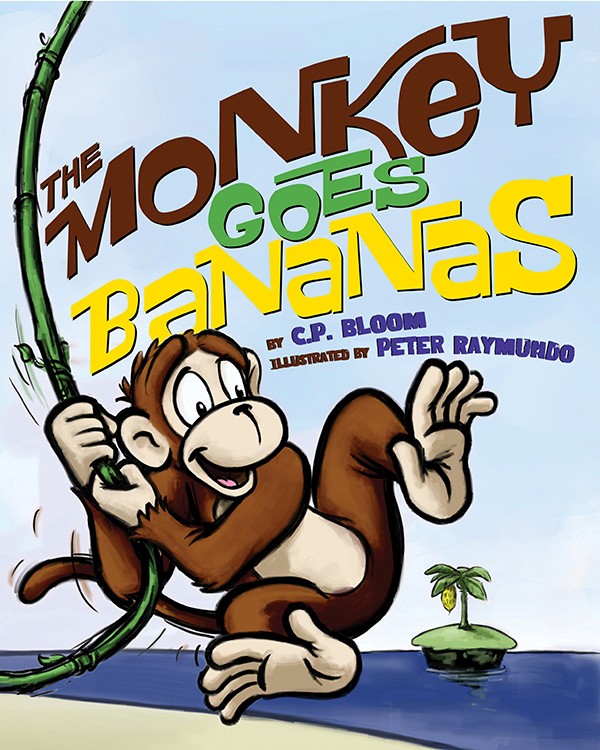
The Monkey Goes Bananas
illus. by Peter Raymundo. 32p. Abrams. May 2014. Tr $14.95. ISBN 9781419708855. LC 2013015188.
COPY ISBN
The monkey sits on one island, and the bananas sit on another, separated by a body of water. Expressive, bold-outlined cartoon illustrations play up the comedy and action as the text uses silent filmlike scene-labeling: "THE MONKEY!"; "THE BANANAS!" Crafted to generate shrieks of laughter alongside shrieks of alarm, this nearly wordless book could appeal to individual beginning readers or to a storytime audience.
This nearly wordless picture book opens with a visually clear dilemma: the monkey sits on one island, and the bananas sit on another, separated by a large body of water. Expressive cartoon illustrations in panels with bold outlines and bright colors play up the comedy and action as the text introduces key plot points through scene-labeling reminiscent of a slapstick silent film: "THE MONKEY!"; "THE BANANAS!"; "THE SHARK"; "THE SHARK!" The energetic, exaggerated art uses size, space, and proportion to ramp up tension as each progressively more complicated effort to reach the bananas fails and nearly does the monkey in ("Chomp!"). Ultimately, the monkey survives and even obtains one of those hard-earned bananas, but the only real satisfaction falls to the shark. Crafted to generate shrieks of laughter alongside shrieks of alarm, this book with its specific words and repetition could appeal as easily to individual beginning readers as to a storytime audience of listeners. julie roach
ALREADY A SUBSCRIBER? LOG IN
We are currently offering this content for free. Sign up now to activate your personal profile, where you can save articles for future viewing
ALREADY A SUBSCRIBER? LOG IN
Thank you for visiting.
We’ve noticed you are using a private browser. To continue, please log in or create an account.

Be the first reader to comment.
Comment Policy:
Comment should not be empty !!!