



2018 School Spending Survey Report
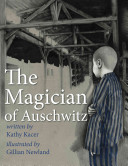
The Magician of Auschwitz
illus. by Gillian Newland. 32p. Second Story. 2014. Tr $18.95. ISBN 9781927583463.
COPY ISBN
In a fictionalization of a true story, young Auschwitz inmate Werner is befriended and sustained by his bunkmate Herr Levin, a magician. Dark sepia and charcoal illustrations capture the concentration camp's bleakness, with playing cards and Nazi armbands the only flashes of color. Werner's unrealistically wide-eyed perspective offers a gentle entrance to Holocaust history. Appended notes add more historical information.
ALREADY A SUBSCRIBER? LOG IN
We are currently offering this content for free. Sign up now to activate your personal profile, where you can save articles for future viewing
ALREADY A SUBSCRIBER? LOG IN
Thank you for visiting.
We’ve noticed you are using a private browser. To continue, please log in or create an account.

Be the first reader to comment.
Comment Policy:
Comment should not be empty !!!