



2018 School Spending Survey Report
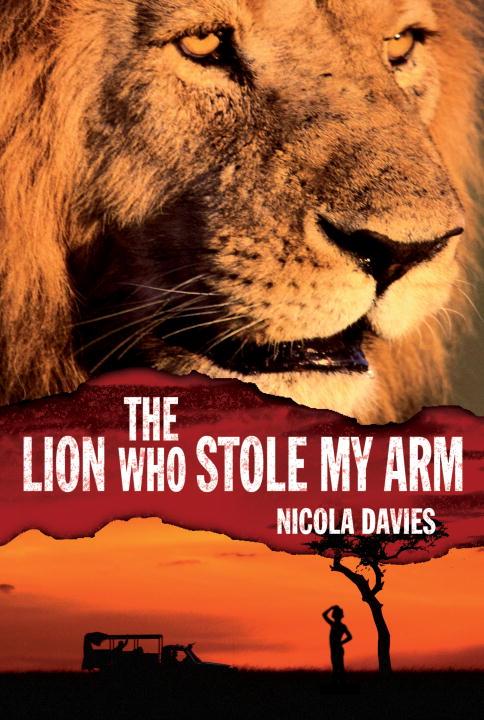
The Lion Who Stole My Arm
illus. by Annabel Wright. 96p. photos. reprods. Candlewick. 2014. Tr $14.99. ISBN 9780763666200. LC 2013943082.
COPY ISBN
After losing his right arm in a lion attack, young Pedru thinks of revenge. And he does kill a lion, but it's not the same one; it's tagged with a collar from the Madune Carnivore Research Station. Thus begins Pedru's relationship with lion researchers sympathetic to the concerns of the villagers. Davies's story, both subtle and thoughtful, is also an exciting adventure tale.
After losing his right arm in a lion attack, young Pedru thinks of revenge: "One day, lion…One day soon I will come and get you." And he does kill a lion, but it's not the same one; it's tagged with a collar from the Madune Carnivore Research Station. Thus begins Pedru's relationship with lion researchers sympathetic to the concerns of the villagers. Davies's story, both subtle and thoughtful, is also an exciting adventure tale. When Pedru meets his lion again, he does have the opportunity to kill it. Though he hates the creature, he realizes what they have in common. "A young hunter with a lot to learn. Making his way in the world, making mistakes. Growing up." Children are rarely asked to consider all sides of ecological issues, and this look at a dwindling species is respectful of its readers' capacity to face ethical decisions in a thoughtful way. Helpful footnotes throughout explain the many lesser-known African flora and fauna that serve as a rich backdrop to the story, and the emotion-filled black-and-white illustrations add just the right touch. Excellent factual notes from author and zoologist Davies are appended. robin l. smith
ALREADY A SUBSCRIBER? LOG IN
We are currently offering this content for free. Sign up now to activate your personal profile, where you can save articles for future viewing
ALREADY A SUBSCRIBER? LOG IN
Thank you for visiting.
We’ve noticed you are using a private browser. To continue, please log in or create an account.

Be the first reader to comment.
Comment Policy:
Comment should not be empty !!!