



2018 School Spending Survey Report
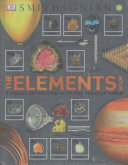
The Elements Book: A Visual Encyclopedia of the Periodic Table
208p. diag. illus. index. photos. DK. Apr. 2017. Tr $22.99. ISBN 9781465456601.
COPY ISBN
VERDICT Not an essential replacement for older surveys such as Dan Green's The Elements or Albert Stwertka's Guide to the Elements, but for upper elementary and middle school students, this is a dazzling and up-to-date alternative.
ALREADY A SUBSCRIBER? LOG IN
We are currently offering this content for free. Sign up now to activate your personal profile, where you can save articles for future viewing
ALREADY A SUBSCRIBER? LOG IN
Thank you for visiting.
We’ve noticed you are using a private browser. To continue, please log in or create an account.
Be the first reader to comment.
Comment Policy:
Comment should not be empty !!!