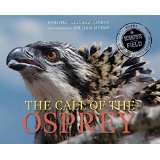
Patricia Manning, formerly at Eastchester Public Library, NYScientists at the Montana Osprey Project engage in a range of research and outreach projects in order to understand and protect these large and powerful raptors. Readers learn the basics about ospreys from scientist Erick Greene’s presentation to a high school group and through Patent’s thorough descriptions of osprey fishing, nesting, raising of young, and migration patterns. Conservation, however, is the main focus: as a top predator, the presence (and health) of ospreys in an ecosystem are indicators of overall environmental quality. In Montana, extensive mining, a dam created for the sawmill industry, and the baling twine used by ranchers have reduced the osprey population over the years. Patent introduces readers to field and laboratory research conducted by the scientists: sampling, banding, and remote tracking of ospreys show the careful data collection required in field observations, and laboratory-based studies of blood and feather samples provide evidence of the amount of heavy metals present in the birds’ systems. The pages are filled with current and historical photographs of birds, scientists, Montana industries, and natural landscapes; biographical sketches of scientists, students, and environmentalists; and details about the ecological history of the region. To learn even more about ospreys, readers can use the extensive list of appended resources, including addresses for the featured live webcam. danielle j. ford
Patent's lucid prose and Munoz's clear color photos work together to document the efforts of the Montana Osprey Project, which studies the negative effects of toxic metals released into the environment during mining operations on these raptors. The book follows three scientists-Erick Greene, Heiko Langner, and Rob Domenech-as they study established pairs during the nesting season. They band osprey chicks, take blood samples and feather clippings for chemical analysis, fit birds with electronic transmitters to follow their wanderings, scoop silt from riverbeds to check for pollutants, and focus two webcams on osprey nests to check on parenting skills and chick development. The trio also talk with wildlife biology students and cooperate with locals who are fascinated by ospreys. Sidebars abound on a wide variety of topics, many pertaining to the ospreys: their biology, food, nesting behaviors, and migration patterns. Others include biographical background on the three scientists, an article on a young student and her experiments on fish in metal-contaminated waters, and information about the use of mercury in mining operations and the dangers that baling twine poses to nest building ospreys. An extensive author's note describes Patent's experience with some very far-flung pollution. VERDICT An exciting addition to a stellar series.-Patricia Manning, formerly at Eastchester Public Library, NY
Readers learn basic osprey information from Montana Osprey Project scientist Erick Greene's presentation to a high school group. Patent thoroughly describes the raptors' behaviors as well as field and laboratory research conducted by the scientists. The pages are filled with current and historical photographs; biographical sketches of scientists and students; and details about the region's ecological history. Reading list, websites. Glos., ind.





Be the first reader to comment.
Comment Policy:
Comment should not be empty !!!