
FICTION

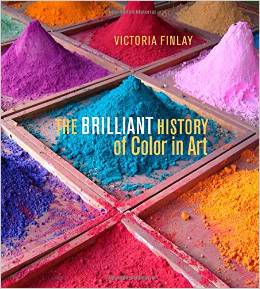
The Brilliant History of Color in Art

128p. illus. index. Getty. 2014. Tr $24.95. ISBN 9781606064290.
COPY ISBN
Gr 9 Up—Who knew that colors have such fascinating stories to tell? Finlay does a wonderful job of describing, in clear, accessible, witty language, how artists around the world, from prehistoric times to the present, have used natural materials, including charcoal, soot, plants, insects, shells, and gems and minerals, to produce magnificent paint and ink colors that continue to dazzle. Today, though, synthetic paints and even computers produce an astonishing range of hues. Browsers and cover-to-cover readers will find some tantalizing information here. For example, Vincent van Gogh once ate his toxic chromium yellow paint; Santa Claus wasn't always clothed in red; thanks to Isaac Newton, there are seven colors in the rainbow; human and animal body wastes were once essential ingredients in color production; and some commonplace colors were created by sheer accident. The handsomely designed book includes 166 excellent reproductions of artworks, many from the collections of Los Angeles's J. Paul Getty Museum. It is filled with illuminating captions and sidebars; reproductions have been perfectly chosen and placed to illustrate the author's narratives; and a "brilliant history of color" is a compelling, readable account of humankind's yearning to express itself beautifully since the beginning of time. An illustration list and lengthy index are included. Recommended for large public library collections and for school libraries; useful in art classes, particularly in units on art history/appreciation, drawing, and painting.—Carol Goldman, Queens Library, NY
This handsome volume traces the use of (and science behind) colors throughout art history, from manganese black in the prehistoric Lascaux Cave paintings to contemporary artist David Hockney's use of "pixels as pigment." Finlay's prose is richly informed but unpretentious, and the art reproductions are excellent. However, sidebars, lengthy captions, and full-page inserts on semi-related topics sometimes interrupt the main narrative's flow. Ind.

Be the first reader to comment.

Comment Policy:
  • Be respectful, and do not attack the author, people mentioned in the article, or other commenters. Take on the idea, not the messenger.
  • Don't use obscene, profane, or vulgar language.
  • Stay on point. Comments that stray from the topic at hand may be deleted.
  • Comments may be republished in print, online, or other forms of media.
  • If you see something objectionable, please let us know. Once a comment has been flagged, a staff member will investigate.


RELATED 

ALREADY A SUBSCRIBER?

We are currently offering this content for free. Sign up now to activate your personal profile, where you can save articles for future viewing

ALREADY A SUBSCRIBER?