

2018 School Spending Survey Report
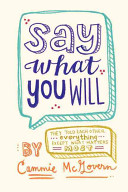
Say What You Will
352p. HarperCollins/HarperTeen. Jun. 2014. Tr $17.99. ISBN 9780062271105; ebk. $9.99. ISBN 9780062271129.
COPY ISBN
Amy, who has cerebral palsy, convinces her parents to hire a peer helper, Matthew (who has a severe anxiety disorder), so she can learn to socialize before college. The two develop a significant friendship--and a confusing mutual attraction. This book moves beyond the typical concerns people with disabilities encounter to present an honest portrayal of the lives of these particular characters.
Though they've attended the same school for years, Amy and Matthew barely know each other. Now it's senior year, and Amy, who has cerebral palsy, convinces her parents to hire peer helpers instead of the usual professional aides so she can learn to socialize before going away to college. Intrigued by the brilliant but isolated girl (and certain she's not as cheerful and well-adjusted as she presents), Matthew, a misfit with a severe anxiety disorder and minimal post-grad prospects, applies for the position. As the two develop a significant friendship (and confusing mutual attraction) they confront individual struggles -- Amy's physical, social, and familial limitations; Matthew's increasingly intrusive obsessive compulsive behavior -- as well as complications in their intensifying relationship. What this book does best is move beyond the typical concerns and stigmas people with disabilities inevitably encounter to present an honest portrayal of the difficulties of growing up faced by these particular characters. Matthew's apprehension about his future (with or without Amy) is poignantly balanced with his crippling fear of being left behind, while Amy's insistent drive toward independence pushes her abilities and loneliness to the breaking point. Just as this book comes dangerously close to plot overload, it pulls back to refocus on the complex relationship at its heart. shara l. hardeson
ALREADY A SUBSCRIBER? LOG IN
We are currently offering this content for free. Sign up now to activate your personal profile, where you can save articles for future viewing
ALREADY A SUBSCRIBER? LOG IN
Thank you for visiting.
We’ve noticed you are using a private browser. To continue, please log in or create an account.
Be the first reader to comment.
Comment Policy:
Comment should not be empty !!!