



2018 School Spending Survey Report
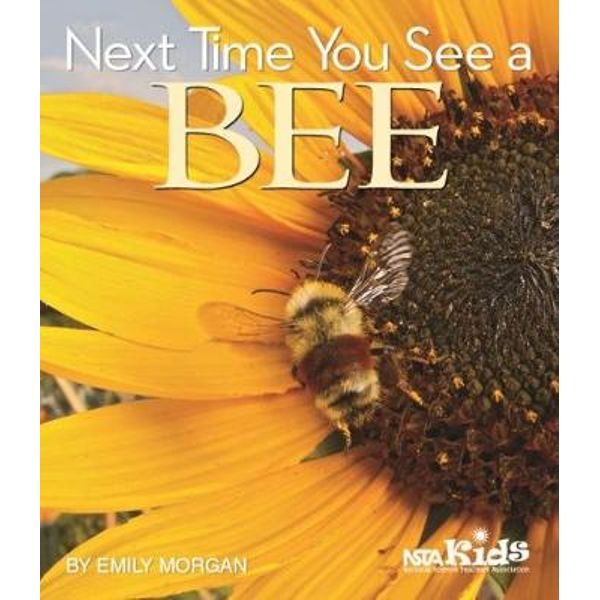
Next Time You See a Bee
NSTA Kids.
(Next Time You See).
May 2019.
32p.
photos. websites.
pap. $12.95. ISBN 9781681406510.
COPY ISBN
VERDICT Honeybees get far better press, so this title serves as a needed corrective—as well as being an engaging invitation to younger middle graders to take closer looks at nature in their neighborhoods.
ALREADY A SUBSCRIBER? LOG IN
We are currently offering this content for free. Sign up now to activate your personal profile, where you can save articles for future viewing
ALREADY A SUBSCRIBER? LOG IN
Thank you for visiting.
We’ve noticed you are using a private browser. To continue, please log in or create an account.
Be the first reader to comment.
Comment Policy:
Comment should not be empty !!!