



2018 School Spending Survey Report
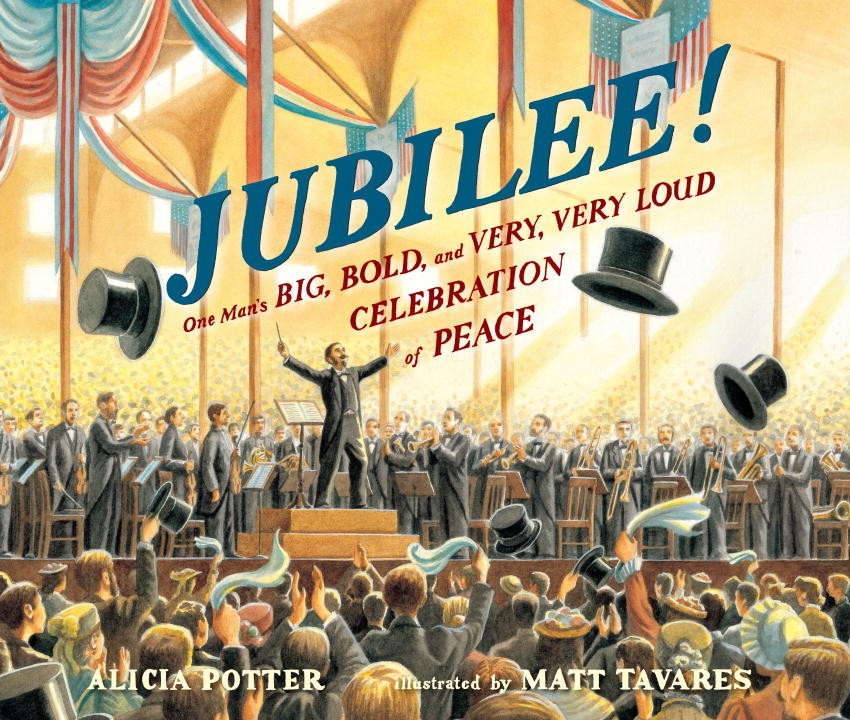
Jubilee!: One Man's Big, Bold, and Very, Very Loud Celebration of Peace
illus. by Matt Tavares. 40p. bibliog. Candlewick. 2014. RTE $16.99. ISBN 9780763658564. LC 2013943992.
COPY ISBN
This tribute to the Irish-born Patrick S. Gilmore, called the "Father of the American Band" by Sousa, focuses on his 1869 National Peace Jubilee, a five-day concert in Boston featuring thousands of musicians and singers, as well as cannons, church bells, anvils, and more. The lengthy text grows repetitive; the soft-toned illustrations show panoramic views as well as more personal details. Bib.
ALREADY A SUBSCRIBER? LOG IN
We are currently offering this content for free. Sign up now to activate your personal profile, where you can save articles for future viewing
ALREADY A SUBSCRIBER? LOG IN
Thank you for visiting.
We’ve noticed you are using a private browser. To continue, please log in or create an account.
Be the first reader to comment.
Comment Policy:
Comment should not be empty !!!