

2018 School Spending Survey Report
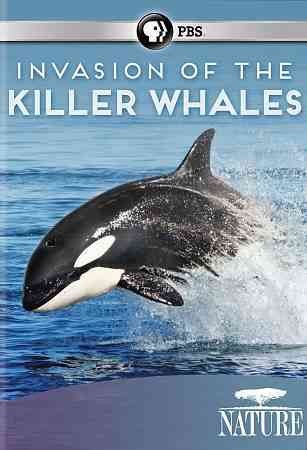
Invasion of the Killer Whales
(Nature). 53 min. Dist. by PBS. 2014. $24.99. ISBN 9781627892049.
COPY ISBN
 Gr 5 Up—The rapid melting of the Arctic polar ice is resulting in unusual ecological changes in that remote area. The Arctic is experiencing the most rapid warming of any region in the world. The depletion of ice leads to the loss of hunting grounds for the largest of Arctic predators, the polar bear. But this change is also allowing the most successful of marine predators, the orca, also known as the killer whale, to make inroads into areas previously unsuitable for them. This magnificently filmed and highly relevant documentary reveals the consequent changes in wildlife populations of the Arctic as the killer whale becomes the top hunter in areas previously dominated by polar bears and the bears' numbers are significantly decreasing as their food sources are diminished. In startling footage, starving polar bears attempt to climb cliffs to hunt birds, wade in water to try to catch salmon, and even resort to eating seaweed. In contrast, the killer whales have developed strategies to feed on the once populous narwhal and even the much larger bowhead whales of the region. Research scientists and film crews document the long and purposeful journeys of the killer whales to their new hunting grounds. Interviews with involved scientists and some Inuit of the area provide first-hand information on the environmental effects of global warming on the region. The attempts by the polar bears to change their hunting habits in order to survive offer a rare look at the possible evolution of a species.
VERDICT Highly valuable for students studying climate change, environment or the Arctic region.

Added To Cart
RELATED
ALREADY A SUBSCRIBER? LOG IN
We are currently offering this content for free. Sign up now to activate your personal profile, where you can save articles for future viewing
ALREADY A SUBSCRIBER? LOG IN
Thank you for visiting.
We’ve noticed you are using a private browser. To continue, please log in or create an account.

Be the first reader to comment.
Comment Policy:
Comment should not be empty !!!