
FICTION

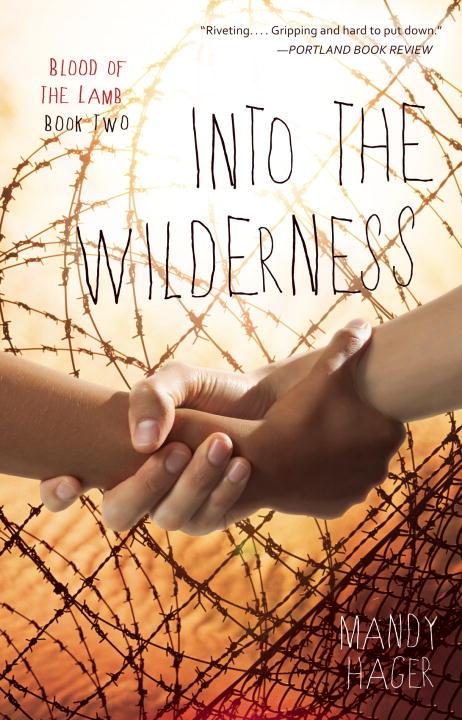
Into the Wilderness

335p. (Blood of the Lamb Trilogy: Bk. 2). PYR. 2014. Tr $17.99. ISBN 9781616148638; ebk. $11.99. ISBN 9781616148645.
COPY ISBN
Gr 10 Up—This installment in a dystopian series picks up right where the first book left off. Maryam is a Chosen. When a Chosen is of age, she leaves her home to work for the rest of her life as a servant to the community's power-hungry spiritual leaders, known as the Apostles of the Lamb. The Apostles are survivors of the Tribulation, who live a life of the privilege on a dilapidated cruise ship. Referred to as the Holy City, the vessel is docked on the isolated shores of a South Pacific island. Unbeknownst to the public, the Apostle community has been struck by a plague, which can only be cured with blood transfusions from their servants. In a desperate attempt to escape the religious despots' tyranny, Maryam, her friends Joseph and Ruth, and Joseph's volatile cousin Lazarus, make use of a small boat to try and find asylum on a neighboring island. When the motley crew finally manage to reach land, they are confronted by more tragedy: there's evidence of genocide where they've come ashore, and Joseph, having been reared in The Holy City, is experiencing plague symptoms. Central to the plot's development are the dynamics of an interracial romance between Maryam and Joseph and the growing rancor between Maryam and Lazarus. There is no need to read The Crossing (PYR, 2013) due to the author's skillful insertion of the backstory into new events. Readers will enjoy the thought-provoking discussions that arise from the novel's focus on how racial and religious superiority is explicitly pitted against a modern indigenous population.—Sabrina Carnesi, Crittenden Middle School, Newport News, VA
Fleeing the religious island community that subjugated her race as forced blood donors (The Crossing), Maryam and her fellow refugees search the seas for other people in an apocalyptic post–climate change Pacific landscape and finally find another (oppressive) regime. Despite overwrought prose, the well-defined characters, genuine plot turns, and hard-hitting commentary on colonialism make this a memorable addition to the dystopian genre.

Be the first reader to comment.

Comment Policy:
  • Be respectful, and do not attack the author, people mentioned in the article, or other commenters. Take on the idea, not the messenger.
  • Don't use obscene, profane, or vulgar language.
  • Stay on point. Comments that stray from the topic at hand may be deleted.
  • Comments may be republished in print, online, or other forms of media.
  • If you see something objectionable, please let us know. Once a comment has been flagged, a staff member will investigate.


RELATED 

ALREADY A SUBSCRIBER?

We are currently offering this content for free. Sign up now to activate your personal profile, where you can save articles for future viewing

ALREADY A SUBSCRIBER?