



2018 School Spending Survey Report
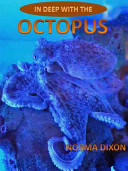
In Deep with the Octopus
40p. bibliog. diag. further reading. glossary. illus. index. maps. photos. Fitzhenry & Whiteside. 2013. Tr $19.95. ISBN 9781554552702.
COPY ISBN
Moving from octopus legends to factual information on anatomy, physiology, behavior, etc., Dixon concludes her book with an appeal for respect and protection for this shy cephalopod. On text-heavy pages, accessible language explains subtopics including mating habits, lifespans, and why octopus blood is blue. Two craft projects, perhaps young for the audience (e.g., a "Sock-topus"), are appended. Reading list. Bib., glos., ind.
ALREADY A SUBSCRIBER? LOG IN
We are currently offering this content for free. Sign up now to activate your personal profile, where you can save articles for future viewing
ALREADY A SUBSCRIBER? LOG IN
Thank you for visiting.
We’ve noticed you are using a private browser. To continue, please log in or create an account.

Be the first reader to comment.
Comment Policy:
Comment should not be empty !!!