



2018 School Spending Survey Report
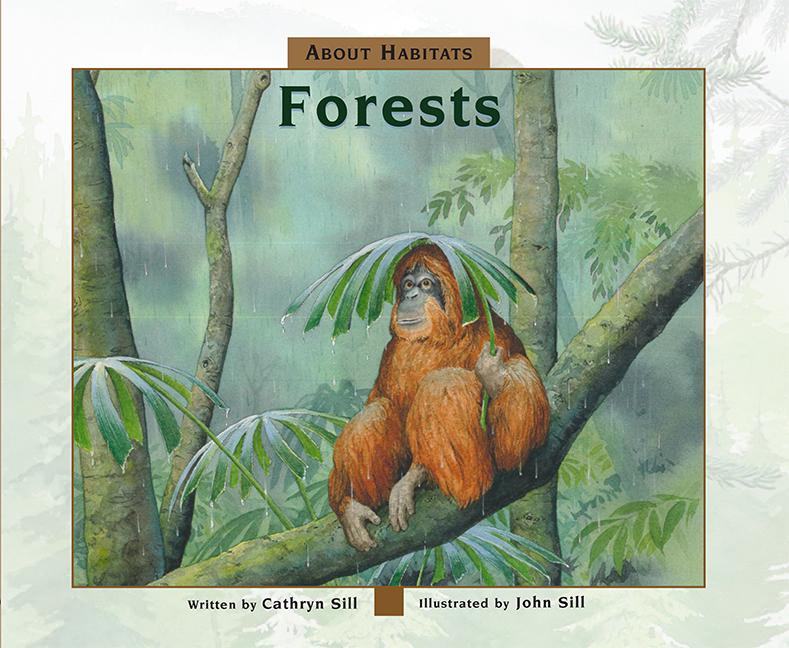
Forests
illus. by John Sill. 48p. (About Habitats Series). bibliog. glossary. maps. websites. Peachtree. Mar. 2014. Tr $16.95. ISBN 9781561457342. LC 2013026215.
COPY ISBN
One simple sentence faces a full-page, detailed painting of distinguishing features (plants, animals, products, etc.) of a type of forest, including boreal, temperate, and tropical. Each numbered plate corresponds to an afterword containing facts about the highlighted forest. Though slight in the main text, information expands with the reader's skill; unfortunately, labeling could be clearer. Websites. Bib., glos.
ALREADY A SUBSCRIBER? LOG IN
We are currently offering this content for free. Sign up now to activate your personal profile, where you can save articles for future viewing
ALREADY A SUBSCRIBER? LOG IN
Thank you for visiting.
We’ve noticed you are using a private browser. To continue, please log in or create an account.

Be the first reader to comment.
Comment Policy:
Comment should not be empty !!!