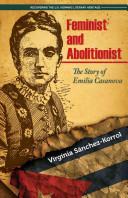

Gr 9 Up—This fictional account of the 19th-century Cuban abolitionist takes a fascinating yet little-known woman and bogs it down with overwrought descriptions and unexciting characterizations. Casanova is born to an aristocratic family originally from the Canary Islands; due to her father's wealth in sugar-cane plantations, she spends her childhood in great comfort. A supporter of Cuban independence, she and, by association, her family are ostracized by their peers. Wishing to remove her from the volatile atmosphere, despite sharing many sympathies, Emilia's parents send her to school in New York. The young woman is recruited to deliver revolutionary and illegal (under Spanish rule) materials to Havana residents. After her brother is forced to hide from the Spanish soldiers due to his own revolutionary activity, Emilia's entire family joins her in New York. Marriage and motherhood soon follow, along with a deepening involvement with Cuba's liberation and abolition of slavery. The formal and stilted narrative keeps readers at a distance. Descriptions of the complex operations of the plantations, Emilia's education, the differences in expectations for well-born boys and girls in her community, and the cultural makeup of her town are plentiful and intriguing, even though they tend to slow the plot to a crawl. Purchase if demand for Cuban historical fiction is high; otherwise, direct readers to Margarita Engle's books.—
Jennifer Schultz, Fauquier County Public Library, Warrenton, VA
Be the first reader to comment.
Comment Policy:
Comment should not be empty !!!