



2018 School Spending Survey Report
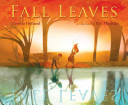
Fall Leaves
illus. by Elly MacKay. 32p. Houghton Mifflin Harcourt. Sept. 2014. Tr $16.99. ISBN 9780544106642.
COPY ISBN
Two children experience fall in a northern temperate climate. Clever wordplay explores various indicators of seasonal change: "Flowers Leave...Leaves Fall...Fall Stays...Fall Leaves." Under each poetic large-type phrase, brief commentaries explain the related astronomical and ecological principles at work. Collage illustrations with a three-dimensional effect depict the children biking, boating, hiking, and relaxing during glorious autumn days.
Two children experience all that nature has to offer across a fall season in a northern temperate climate. Using clever wordplay, the text explores various indicators of seasonal change. "Flowers Leave…Leaves Fall…Fall Stays…Fall Leaves." Two-word noun-verb phrases are featured prominently in large type; when read all together, they create a poetic description of the season. Under each large-type phrase, brief commentaries include additional observations about nature ("Fall usually brings rain, which makes leaves twist and squirm on tree branches") or explanations of the related astronomical and ecological principles ("Deciduous trees such as maples, oaks, and hickories make their own food. Their leaves look very green because of a substance called chlorophyll"). On facing pages, soft-focus collage illustrations with a three-dimensional effect depict the children biking, boating, hiking, and relaxing during some glorious fall days. The many observations of change include those in weather, plants and animals, and sunlight. It's the last that's most brilliantly captured in the illustrations, in which the glowing gold of early fall sunlight changes, page by page, to the colder blue light of winter. danielle j. ford
ALREADY A SUBSCRIBER? LOG IN
We are currently offering this content for free. Sign up now to activate your personal profile, where you can save articles for future viewing
ALREADY A SUBSCRIBER? LOG IN
Thank you for visiting.
We’ve noticed you are using a private browser. To continue, please log in or create an account.

Be the first reader to comment.
Comment Policy:
Comment should not be empty !!!