



2018 School Spending Survey Report
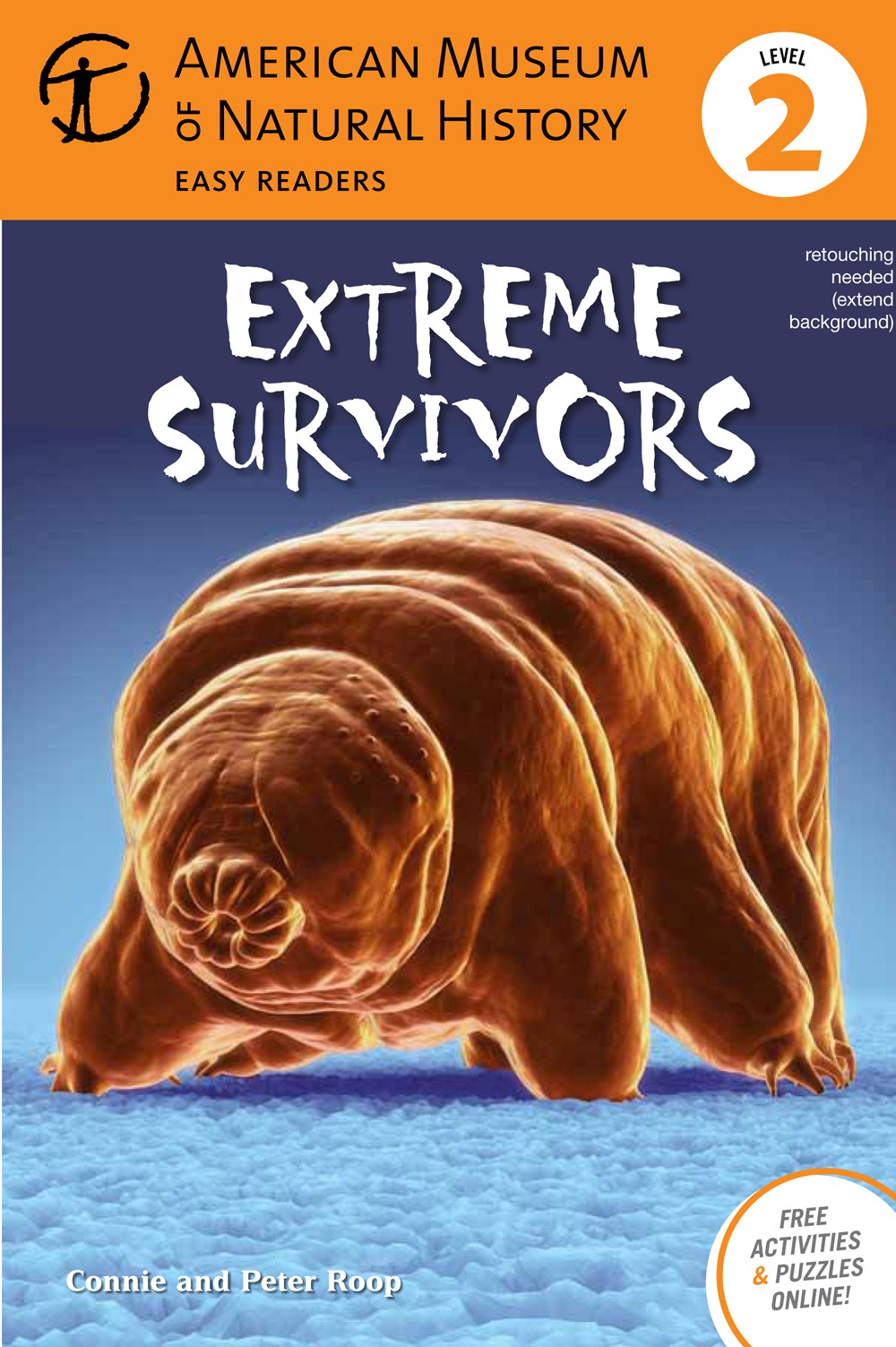
Extreme Survivors
ROOP, Connie & . 32p. (American Museum of Natural History Easy Readers). further reading. notes. photos. websites. Sterling. 2014. Tr $9.95. ISBN 9781454906315; pap. $3.95. ISBN 9781402777912.
COPY ISBN
From fastest runners and swimmers to deep-water and desert dwellers, these volumes present some extreme traits and habitats of animals ranging from the familiar (cheetahs, polar bears) to the unusual (giant tubeworms, microscopic water bears). The striking color photographs and astounding facts delivered via engaging prose ("It can grab an insect faster than you can blink your eyes") will captivate beginning readers. Review covers these American Museum of Natural History Easy Readers titles: Extreme Survivors and World's Fastest Animals.
ALREADY A SUBSCRIBER? LOG IN
We are currently offering this content for free. Sign up now to activate your personal profile, where you can save articles for future viewing
ALREADY A SUBSCRIBER? LOG IN
Thank you for visiting.
We’ve noticed you are using a private browser. To continue, please log in or create an account.

Be the first reader to comment.
Comment Policy:
Comment should not be empty !!!