

2018 School Spending Survey Report
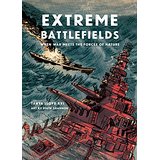
Extreme Battlefields: When War Meets the Forces of Nature
illus. by Drew Shannon. 160p. bibliog. further reading. index. maps. photos. Annick. Apr. 2016. Tr $24.99. ISBN 9781554517947; pap. $16.95. ISBN 9781554517930.
COPY ISBN
VERDICT Minor flaws aside, this book is an excellent complement to titles such as Chris Oxlade's The Top Ten Battles That Changed the World and Richard Holmes's Battle and should be of great interest to those interested in war history.
ALREADY A SUBSCRIBER? LOG IN
We are currently offering this content for free. Sign up now to activate your personal profile, where you can save articles for future viewing
ALREADY A SUBSCRIBER? LOG IN
Thank you for visiting.
We’ve noticed you are using a private browser. To continue, please log in or create an account.

Be the first reader to comment.
Comment Policy:
Comment should not be empty !!!